There’s something quietly magical about a spring morning with chickens. The air smells like damp earth and new grass, the hens are clucking with renewed energy, and the eggs you’re pulling from the nest boxes are deep gold in the yolk: the kind of rich, vivid color that only happens when your birds are truly thriving.
But here’s what most backyard chicken keepers discover sooner or later: what goes into your chickens determines what comes out of them. Better feed means healthier hens, stronger immune systems, and eggs your family can feel genuinely good about eating. And spring, with all its seasonal changes, is one of the most important times to revisit what you’re feeding your backyard flock.
Whether you’re a seasoned homesteader or just welcomed your first chicks this year, this guide will walk you through exactly what your flock needs this season: from the science behind optimal spring nutrition to choosing the best organic chicken feed for backyard chickens.
Why Spring Changes Everything for Your Flock
Winter is hard on chickens. Even well-housed birds experience nutritional stress during cold months. Shorter days suppress laying, birds burn more calories to stay warm, and limited access to fresh forage means they’re missing out on the vitamins and trace minerals that come from pecking through living soil and green plants.
Then spring hits and everything shifts at once.
Daylight increases, triggering hormonal changes that ramp up egg production. Your hens may go from laying occasionally to laying almost daily. They’re more active, foraging more, growing new feathers after the molt, and if you have a rooster in the mix, the flock’s social dynamics pick up energy too. For broody hens, spring is the nesting season.
All of that biological activity demands fuel, and not just any fuel. Your backyard flock needs a thoughtfully balanced diet that supports everything happening in their bodies this time of year.
This is exactly why spring is the season to be intentional about feed and to revisit what to feed backyard chickens as their nutritional needs shift with the season.
The Foundation: A Quality Layer Feed
For laying hens, a complete layer feed is the cornerstone of the diet. It’s formulated to provide the right ratios of protein, calcium, phosphorus, and essential vitamins so your hens can produce eggs consistently without depleting their own bodies.
Here’s what to look for on the label:
Protein (15-18%): Laying hens need adequate protein for egg formation and feather health. During spring molt recovery, protein becomes especially important. Look for feeds where whole grains and legumes provide natural protein sources rather than synthetic additions.
Calcium (3.5-4.5%): Eggshells are almost entirely calcium carbonate. A hen who doesn’t get enough calcium will pull it from her own bones, a process that is as bad as it sounds. Quality layer feeds include calcium from natural sources like oyster shell or limestone.
Phosphorus: Works in balance with calcium for bone health. The calcium-to-phosphorus ratio matters as much as the individual amounts.
Vitamins A, D, and E: Critical for immune function, bone development, and reproductive health. Vitamin D is particularly important in spring as birds transition from limited winter sunlight.
Prebiotics and probiotics: The best feeds include digestive support. A healthy gut microbiome means better nutrient absorption, so your hen gets more out of every bite.
The Organic Difference
Here’s where feed choice really matters: not all layer feeds are created equal.
Conventional feeds often rely on corn and soy grown with pesticides and herbicides, and may include synthetic additives, medications, and ingredients from genetically modified crops. When you’re feeding your chickens, you’re not just feeding chickens. You’re feeding your family, one egg at a time.
The best organic chicken feed for backyard chickens uses certified organic ingredients, meaning the grains, legumes, and plant-based components were grown without synthetic pesticides, herbicides, or fertilizers. Non-GMO chicken feed takes it a step further, ensuring the feed contains no genetically engineered ingredients.
For many flock owners, choosing organic feed comes down to ingredient transparency and confidence in how those ingredients were grown. Certified organic and non-GMO feeds help reduce exposure to synthetic pesticides, herbicides, and unnecessary additives while supporting a cleaner, more intentional approach to backyard chicken feed.
At Nature’s Best Organic Feeds, we were the first certified organic poultry feed on the market, because we understood from day one that what nature intended is the gold standard. Our feeds are USDA Certified Organic, non-GMO, and free of synthetic additives, animal by-products, and unnecessary fillers. What you see on our label is exactly what goes into every bag.
Spring-Specific Nutritional Considerations
1. Molting Hens Need Extra Protein
If any of your hens molted late in winter, they may still be completing feather regrowth as spring begins. Feathers are made primarily of keratin, a structural protein, which is why a molting hen’s protein needs rise dramatically during regrowth.
Poultry science resources estimate feathers are approximately 85-90% protein by composition. During this window, supplement with high-protein treats like dried mealworms, black soldier fly larvae, or a dedicated molt support feed. You can return to standard layer feed once feathers are fully regrown.
2. Support the Laying Surge
As daylight lengthens, egg production ramps up fast. Make sure your hens always have access to a free-choice oyster shell. Even if your layer feed includes calcium, heavy layers benefit from the extra buffer. Keep grit available too, especially if your birds are ranging on grass and eating more varied material.
3. Watch for Pasture Excitement
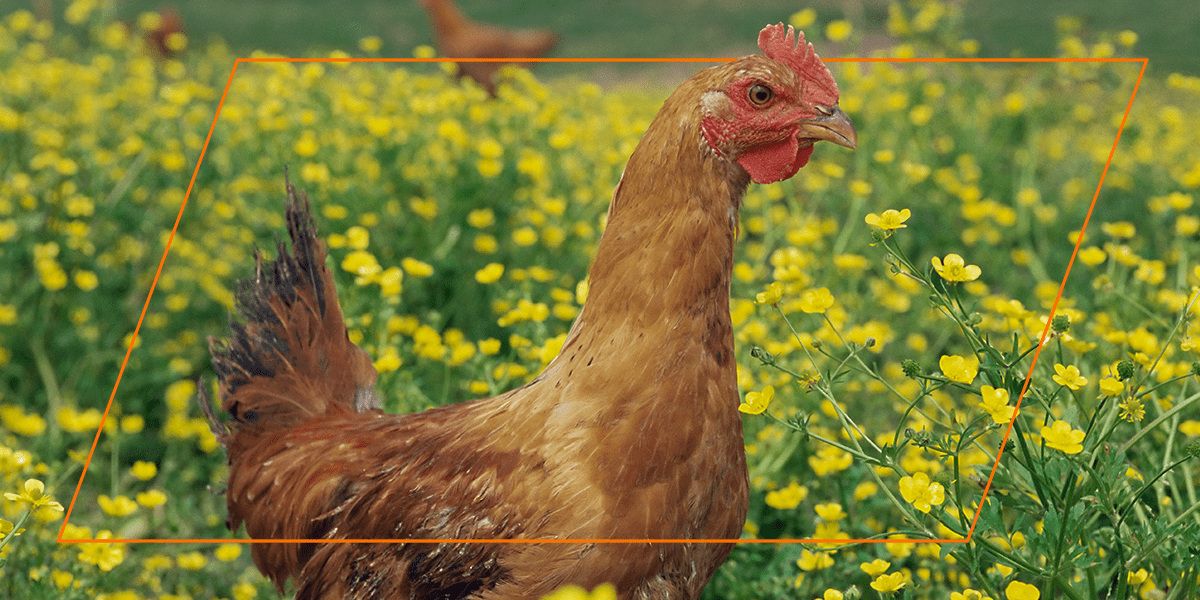
One of the joys of spring is watching your flock discover fresh grass again. Chickens who free-range will instinctively supplement their diet with bugs, grass, clover, and soil organisms, all of which contribute to richer yolks and better nutrition. This is wonderful. But it also means your birds may eat less of their formulated feed as forage becomes available.
Monitor body condition as the season progresses. Hens should feel firm and full-bodied, not bony at the keel. If you notice weight loss, increase feed access or switch to a slightly higher-protein option to compensate for the caloric gap.
4. Hydration Matters More Than You Think
Spring weather can swing dramatically: warm afternoons followed by cold mornings, unexpected dry spells. Chickens drink a surprising amount of water, often consuming roughly twice as much water as feed by weight.
Poultry experts note that heat stress and dehydration can quickly reduce laying performance and feed intake in chickens. Refresh waterers daily, clean them weekly to prevent algae and bacteria, and consider adding a second waterer if your flock is larger than six birds.
Feeding Backyard Chickens at Different Life Stages
Chicks (0-8 weeks)
Spring is prime chick season. If you’ve added new chicks to your homestead, they need a chick starter feed with at least 18-20% protein to support their rapid growth. Do not feed layer feed to chicks, as the calcium levels are too high for young kidneys.
Choose an organic, non-GMO chick starter for the best foundation. Nature’s Best Organic Chick Starter/Grower Crumbles is formulated specifically for this critical early window: complete nutrition, no synthetic additives, and the clean start every chick deserves.
Pullets (8-18 weeks)
As chicks feather out and grow toward laying age, continue with a chick starter/grower feed until your pullets lay their first egg.
Laying Hens (18 weeks and beyond)
Transition to a complete layer feed at the onset of laying. From this point forward, a quality layer feed such as Nature’s Best Organic Egg Layer Crumbles can serve as the daily constant, supplemented by seasonal forage, treats, and free-choice oyster shell.
Broody Hens
If a hen goes broody this spring, she’ll eat and drink very little while sitting on her eggs. Place feed and water close to her nest to encourage her to step off and eat at least once a day. Once chicks hatch, the whole family, hen and chicks together, can eat chick starter.
Choosing the Right Feed: A Practical Checklist
At this point, the question becomes less “What brand should I buy?” and more “How do I recognize a genuinely high-quality feed when I see one?”
With so many feed options on the market, it can be hard to tell which differences actually matter. Terms like natural, wholesome, and premium sound reassuring, but the real value comes down to formulation quality, ingredient sourcing, and whether the feed consistently supports long-term flock health.
When shopping for the best organic chicken feed for backyard chickens, here are a few things experienced flock owners consistently look for:
- USDA Certified Organic: the certification that guarantees no synthetic pesticides, herbicides, or fertilizers in the ingredient chain
- Non-GMO: no genetically modified ingredients
- Complete layer feed: balanced for the specific life stage of your birds
- No medications: your birds’ health shouldn’t depend on preventive antibiotics
- Whole grain ingredients: not just grain by-products or fillers
- Probiotics and prebiotics included: digestive health is foundational to overall health
- Trusted brand with transparency: a brand that tells you exactly what’s in the bag and why
Nature’s Best Organic Feeds was built around every one of these principles. As the original organic poultry feed brand, we’ve spent decades refining what clean, complete nutrition looks like for backyard flocks, because healthy birds and healthy families are two sides of the same story.
Frequently Asked Questions About Feeding Backyard Chickens
What should you feed backyard chickens in the spring?
In spring, backyard chickens benefit from a complete layer feed with balanced protein, calcium, vitamins, and minerals to support increased egg production and activity levels. Many flock owners also supplement with fresh forage, grit, oyster shell, and occasional high-protein treats during molt recovery.
What is the best feed for laying hens?
The best feed for laying hens is a complete layer feed formulated with approximately 15-18% protein and 3.5-4.5% calcium. Organic, non-GMO feeds with whole grains and probiotics are often preferred by backyard flock owners focused on long-term bird health and egg quality. Speaking of ideal protein and nutrition balance, have you checked out Nature’s Best Organic Egg Layer Pellets?
Can chickens eat only grass and bugs?
No. While free-ranging chickens naturally eat grass, insects, and forage, these foods alone do not provide complete nutrition. A balanced layer feed should remain the foundation of your flock’s diet to ensure hens receive adequate protein, calcium, vitamins, and essential nutrients.
How often should you feed backyard chickens?
Backyard chickens should have access to fresh feed and clean water throughout the day to support healthy body condition and consistent egg production. Chickens naturally prefer to eat small amounts frequently, especially active laying hens during the spring and summer months.
Final Thoughts
Spring is the season of renewal for your backyard flock: more sunlight, more activity, more eggs, and more of the joy that made you want chickens in the first place. Set your flock up to thrive this season by giving them the foundation they deserve: a complete, organic, non-GMO layer feed; seasonal treats that supplement rather than replace their diet; clean water every single day; and the space to forage and express their natural instincts.
Your hens will thank you in the way they know best: rich, golden-yolked eggs that taste the way eggs are supposed to taste.Ready to make the switch to clean, organic feed this spring? Explore Nature’s Best Organic Feeds’ full line of USDA Certified Organic, non-GMO feeds at organicfeeds.com, what nature intended, from our farm to your family’s table.