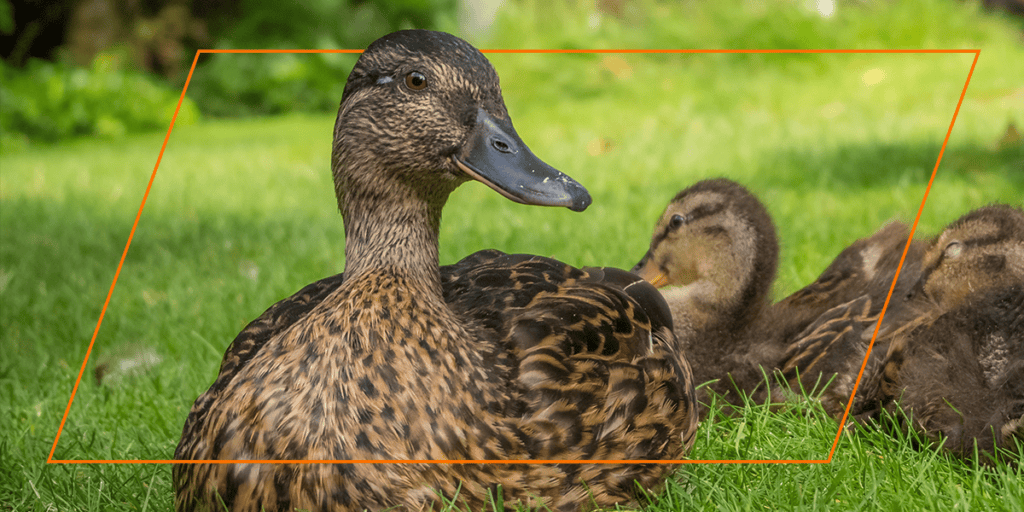

Few things are as delightful as a brood of ducklings. They are curious, comical, and they grow at a pace that will genuinely surprise you. That fast growth is exactly why feeding them correctly matters so much, and why so many new duck keepers find themselves wondering the same thing: when do I move my birds off their duck starter crumble and on to a grower feed?
It is a great question, and the answer is a little more nuanced than it is for chickens. Ducks are not chickens, and feeding them like chickens is one of the most common mistakes people make. At Nature’s Best Organic Feeds, as the first organic poultry and livestock feed company, we have spent decades helping families raise healthier birds the way nature intended. Here is a warm, practical guide to getting the timing right.
Why Duck Feeding Stages Matter
Ducklings grow faster than chicks, and their nutritional needs shift quickly in those first weeks and months. Two things make duck feed different from chicken feed, and both matter for healthy growth.
The first is protein. Ducklings need a good amount of protein early to fuel rapid development, but their needs taper as they grow. Feeding too much protein for too long is not a kindness. It pushes their bodies to grow faster than their frames can handle, which can lead to a condition called angel wing, along with leg, joint, and bone problems, and even strain on the kidneys and liver.
The second is niacin, or vitamin B3. Ducks need roughly two to three times more niacin than chickens do, and a shortage shows up as bowed legs, weak joints, and trouble walking. This is why waterfowl-specific feed, or careful niacin supplementation, is so important. Our Organic Duck Starter Crumbles include added niacin for exactly this reason, so you are not left sprinkling brewer’s yeast and hoping for the best.
Stage One: Duck Starter Crumble
From the moment they hatch, ducklings do best on a complete duck starter crumble offered free choice with plenty of fresh, clean water nearby. The crumble texture is important here. Crumbles are easy for tiny bills to pick up and swallow, whereas pellets are usually too big and dry mash can be a choking risk unless it is dampened.
This early stage is all about high energy and balanced nutrition. According to guidance from Murray McMurray Hatchery, waterfowl are typically started on a higher-protein ration in their first couple of weeks, then eased onto a grower diet as their growth accelerates and their needs change. The starter phase builds the foundation for everything that follows.
One firm rule for this stage: never feed adult layer feed to ducklings. Its calcium content is far too high for young waterfowl and can cause serious bone, liver, and kidney damage. Save layer feed for laying age.
Stage Two: The Grower Stage
Here is where the classic “switch” comes in. Around the three-week mark, a duckling’s growth speeds up dramatically, and this is the point where sustained high protein starts to work against them. A duck grower feed steps the protein down into a more moderate range so your birds grow steadily and soundly rather than too fast.
Most guidance places the grower stage from roughly three weeks of age until your ducks reach point of lay or market weight. Extension resources such as NC State Extension note that duck and waterfowl starter and grower feeds commonly land in a similar protein window, with the grower phase pulling protein back from the intense early levels. The goal through this stretch is healthy, unhurried development.
If you are shopping for an organic duck grower, this is also where a good all-purpose organic waterfowl ration earns its place. The key is that moderate protein level, generous niacin, and clean ingredients free of harmful additives.
The Nature’s Best Approach: One Crumble for Both Stages
Here is some good news that simplifies the whole starter-to-grower question. Our Organic Duck Starter Crumbles are formulated at 18 percent protein as a complete sole ration for ducklings and growing young ducks alike.
That 18 percent sits right in the sweet spot. It is rich enough to support a duckling’s early growth, yet moderate enough that you are not risking the too-fast growth that comes from feeding a very high-protein starter well past three weeks. In practice, that means you can feed our duck crumble feed continuously from hatch through the growing stage without juggling two separate bags or stressing over the exact day to swap feeds. The transition from starter to grower is built right in.
For many backyard keepers, that is the whole answer. Feed the organic duck crumbles as the sole ration through the growing phase, keep fresh water available at all times, and let your ducks thrive.
The Switch That Really Matters: Moving to Layer Feed
So if the starter and grower stages are covered by one feed, when is the meaningful switch? For laying ducks, it is the move to a layer feed at point of lay.
Ducks generally begin laying somewhere around 18 to 20 weeks of age, though it varies by breed. As they approach that first egg, their calcium needs rise sharply to support strong eggshells, and that is when a proper layer feed comes in. Timing matters: you want to make that change as they come into lay, not before, since all that extra calcium is not appropriate for younger, growing birds.
If you keep ducks purely as pets or for meat rather than eggs, you may never need a layer feed at all. In that case, a moderate-protein maintenance or all-flock ration carries them comfortably through adulthood.
How to Transition Feeds Smoothly
Whenever you do change feeds, whether stepping into the grower stage with a different product or moving your layers onto a calcium-rich ration, go gradually. Ducks can be sensitive to abrupt changes, so mix the new feed with the old over about a week, slowly increasing the proportion of the new feed each day. This gives their digestive systems time to adjust and reduces waste from picky eaters.
A few more tips for happy, healthy ducks. Keep clean water beside the feed at all times, since ducks need water to swallow and to clear their bills and nostrils. Offer grit if your birds are eating anything beyond their complete crumble, such as greens or forage. And let them forage when you can, because weeds, grass, leafy greens, and insects are wonderful supplements to a complete feed. Just remember to keep treats and forage modest so they do not dilute the balanced nutrition your ducks get from their ration.
Nature’s Best Organic Feeds for Ducks
When you are ready to give your ducks clean, wholesome nutrition at every stage, we make it simple. Every product is crafted by Kreamer Feed, a family-owned mill in central Pennsylvania producing trusted feeds since 1947.
- Organic Duck Starter Crumbles deliver 18 percent protein with added niacin as a complete sole ration for ducklings and growing young ducks. The crumble texture is easy for little bills, and the balanced formula carries your birds through both the starter and grower stages.
- Organic All Flock Crumbles are a versatile choice for mixed flocks of ducks, chickens, and other poultry, making feeding a multi-species backyard simple.
- Organic Egg Layer Pellets and Organic Egg Layer Crumbles provide the added calcium laying ducks need once they reach point of lay, for strong shells and healthy hens.
Every bag is USDA Certified Organic, Non-GMO Project Verified, non-medicated, and free of animal by-products, added hormones, and antibiotics. In other words, exactly what nature intended. Explore the full lineup at organicfeeds.com.
Frequently Asked Questions
When do I switch my ducklings off starter feed?
Ducks typically move from a high-protein starter to a more moderate grower ration around three weeks of age. With our 18 percent Organic Duck Starter Crumbles, that starter-to-grower step is built into one feed, so you can feed it continuously through the growing stage.
Can I feed my ducklings chicken feed?
In a pinch, non-medicated chick starter can work, but chicken feed is low in niacin, which ducks need in much higher amounts. If you use it, you must supplement niacin. A duck-specific feed with added niacin is the easier, safer choice.
When should ducks move to layer feed? As they come into lay, usually around 18 to 20 weeks depending on breed. The extra calcium in layer feed supports strong eggshells, but it should not be given to younger, growing birds.
Why is too much protein a problem for ducks?
Sustained high protein pushes ducklings to grow faster than their frames can support, which can lead to angel wing and leg, joint, and bone issues. A moderate grower-level protein encourages steady, healthy growth.
Do my ducks need grit?
If they eat anything beyond their complete crumble, such as greens, forage, or treats, yes. Grit helps them grind and digest that food. Ducks with access to open ground often find their own.
Final Thoughts
Knowing when to switch your ducks from starter to grower feed really comes down to understanding how they grow. Start them on a quality duck crumble, ease the protein into a moderate range as they mature, and save calcium-rich layer feed for point of lay. And if you want to keep things simple, an 18 percent all-in-one duck crumble handles the starter and grower stages for you, so you can spend less time swapping bags and more time enjoying your flock.
At Nature’s Best Organic Feeds, we are honored to help families raise healthy, happy ducks from the very first day. Because what you feed your family begins with what you feed your farm, and your ducks deserve nothing less than what nature intended. Visit organicfeeds.com to find the right feed for every stage of your ducks’ lives.