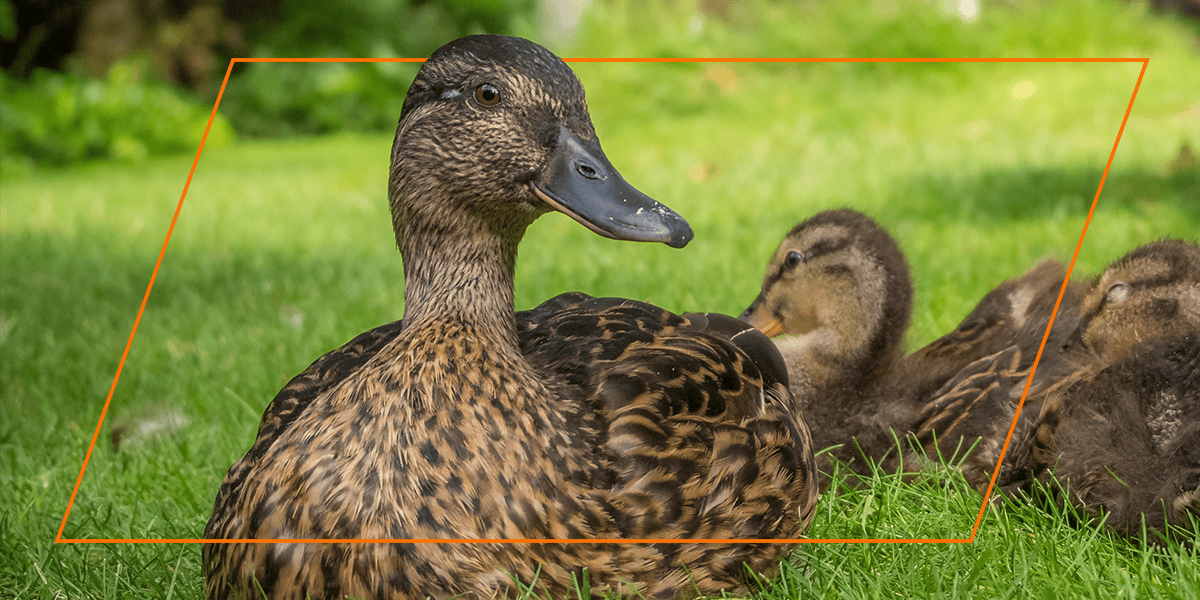
Ducks have a way of winning your whole heart. They are curious, a little goofy, endlessly entertaining, and they reward good care with rich eggs, cheerful company, and a garden kept happily free of slugs. If you are raising ducks, you already know they deserve the best, and that starts with what goes in their feed dish.
Shopping for organic duck feed can feel surprisingly overwhelming, though. The bags all make big promises, the ingredient lists read like a chemistry exam, and ducks have needs that differ from chickens in ways not every product accounts for. At Nature’s Best Organic Feeds, as the first organic poultry and livestock feed company, we have spent decades helping families feed their flocks the way nature intended. Here is a warm, practical guide to what actually matters when you are choosing feed for your ducks.
Why Organic Duck Feed Is Worth It
Let us start with the big question: does organic really matter? For ducks, the answer is a wholehearted yes.
Organic feed is grown and made without synthetic pesticides, harmful additives, or questionable processing shortcuts. That clean foundation translates directly into better nutrition, healthier birds, and better eggs for the families who collect them. When your ducks are producing eggs destined for your own kitchen table, that connection becomes very real, very fast. What you feed your family truly does begin with what you feed your farm.
Beyond the eggs, choosing organic feed for ducks supports the kind of homestead you probably want to be part of: one that values wholesome ingredients, sustainability, and animals raised with genuine care. Healthy duck feed is the foundation of a healthy, thriving flock, and it shows in everything from feather quality to overall vitality.
Look for Certified Organic, Not Just Organic-Sounding
Here is one of the most important things to understand. The word “organic” gets used loosely in marketing, but certified organic duck feed is held to a real, verifiable standard.
In the United States, that standard is the USDA National Organic Program, which sets strict rules for how organic feed ingredients are grown and handled. You can learn more about what that certification actually guarantees through the USDA’s organic standards resources. When a bag carries genuine certification, you know the claim has been backed up rather than simply printed on the label to catch your eye.
So when you shop, look past the buzzwords and check for real certification. Truly certified organic duck food gives you confidence that what is inside matches what is promised on the outside.
Check for Non-GMO and Clean Ingredients
Certification is the starting point, not the finish line. The next thing to examine is the ingredient list itself.
The best organic duck feed is built from wholesome, recognizable ingredients: organic grains, quality plant proteins, and the vitamins and minerals ducks need to thrive. Just as important is what a good feed leaves out. Look for non-GMO duck feed that is free of animal by-products, added hormones, antibiotics, and synthetic additives that have no place in a healthy bird’s diet.
Clean duck feed ingredients are the heart of good nutrition, and they are worth prioritizing every single time.
Make Sure It Is Formulated for Ducks
This is where many well-meaning duck keepers get tripped up. Ducks are not chickens, and their nutritional needs are genuinely different.
The most important difference is niacin, or vitamin B3. Ducks, especially ducklings, need considerably more niacin than chickens do, and a shortage can lead to real problems like leg weakness, bowed legs, and trouble getting around. According to guidance summarized by NC State Extension, duck and waterfowl feeds are formulated with this elevated requirement in mind, whereas standard chicken feed often falls short and needs supplementation.
This is exactly why a duck-specific or waterfowl feed is the smarter choice. When feed is designed for ducks from the start, you are not left sprinkling brewer’s yeast into every dish and hoping you got the amount right.
Duck nutrition also leans on a good balance of protein, energy, amino acids, vitamins, and minerals tailored to a bird that grows quickly and loves to forage. A quality duck feed brings all of that together in one complete ration.
Match the Feed to Your Ducks’ Life Stage
Ducks have different needs at different ages, and the right feed changes as they grow. Understanding these stages helps you buy exactly what your flock needs right now.
Young ducklings need a nutrient-dense starter feed to fuel their rapid early growth. As they mature into growing ducks, their needs shift toward a more moderate, steady-growth ration that keeps them developing at a healthy pace without pushing them too fast. Once ducks reach laying age, they benefit from a feed that supplies the extra calcium needed to produce strong eggshells.
When you are shopping for organic duck feed for ducklings, look for a starter formula in an easy-to-eat crumble texture, since crumbles are gentle on little bills and easy for young birds to swallow. Some feeds are thoughtfully designed to carry ducks through more than one stage, which can simplify your routine considerably. The key is knowing where your ducks are in their journey and choosing accordingly.
Consider Texture, Freshness, and Storage
A few practical details make a real difference in how well your ducks eat and how much value you get from every bag.
Texture matters more for ducks than many people realize. Crumbles tend to work beautifully for ducklings and growing birds, while pellets can be too large for the youngest ones. Always keep fresh, clean water right beside the feed, since ducks need water to swallow comfortably and to keep their bills and nostrils clear.
Freshness matters too. Feed slowly loses nutritional value over time and can spoil if it is old or stored poorly, and ducks are especially good at going through feed quickly. Buy what you can reasonably use within a sensible window, and store it in a cool, dry, well-ventilated place in a sealed container that keeps out moisture and pests. This one small habit protects both the nutrition and your wallet.
Trust Experience and Reputation
Finally, consider who is making your feed. A brand with real experience in organic poultry feed brings knowledge that a newcomer simply cannot match.
As the first organic poultry and livestock feed company, we have spent decades learning what truly nourishes birds, and every formula reflects that hard-won wisdom. When you choose a trusted, established organic brand, you are buying more than a bag of feed. You are buying the accumulated care and expertise behind it.
Nature’s Best Organic Feeds for Ducks
When you are ready to give your ducks clean, wholesome nutrition, we make it simple. Every product is crafted by Kreamer Feed, a family-owned mill in central Pennsylvania producing trusted feeds since 1947.
- Organic Duck Starter Crumbles are a complete sole ration for ducklings and growing young ducks, with added niacin and an easy-to-eat crumble texture that carries your birds through their early stages.
- Organic All Flock Crumbles are a versatile choice for mixed flocks of ducks, chickens, and other poultry, making feeding a multi-species backyard simple.
- Organic Egg Layer Pellets and Organic Egg Layer Crumbles provide the added calcium laying ducks need once they reach point of lay, for strong shells and healthy hens.
Every bag is USDA Certified Organic, Non-GMO Project Verified, non-medicated, and free of animal by-products, added hormones, and antibiotics. In other words, exactly what nature intended. Explore the full lineup at organicfeeds.com.
Frequently Asked Questions
Can I feed my ducks regular chicken feed?
In a pinch, non-medicated chicken feed can work, but it is typically low in niacin, which ducks need in much higher amounts. If you use it, you will need to supplement niacin. A duck-specific feed with added niacin is the easier, safer choice.
What does “certified organic” actually mean?
It means the feed meets a verifiable standard, such as the USDA National Organic Program, for how its ingredients are grown and handled. It is a real certification, not just a marketing word printed on the bag.
Is organic duck feed better for egg quality?
Clean, organic nutrition supports healthier birds, and healthier birds tend to produce better eggs. For families collecting eggs for their own table, that clean foundation offers real peace of mind.
What should I avoid in duck feed?
Steer clear of feeds with animal by-products, added hormones, antibiotics, and synthetic additives.
Final Thoughts
Buying organic duck feed does not have to be complicated. Once you know what to look for, real organic certification, clean and recognizable non-GMO ingredients, a formula designed for ducks with the niacin they need, the right feed for your flock’s life stage, and a trusted, experienced brand behind it, the choice becomes clear. Your ducks give you so much, and feeding them well is one of the kindest things you can do in return.
At Nature’s Best Organic Feeds, we are honored to help families raise healthy, happy ducks from the very first day. Because what you feed your family begins with what you feed your farm, and your ducks deserve nothing less than what nature intended. Visit organicfeeds.com to find the perfect feed for your flock.