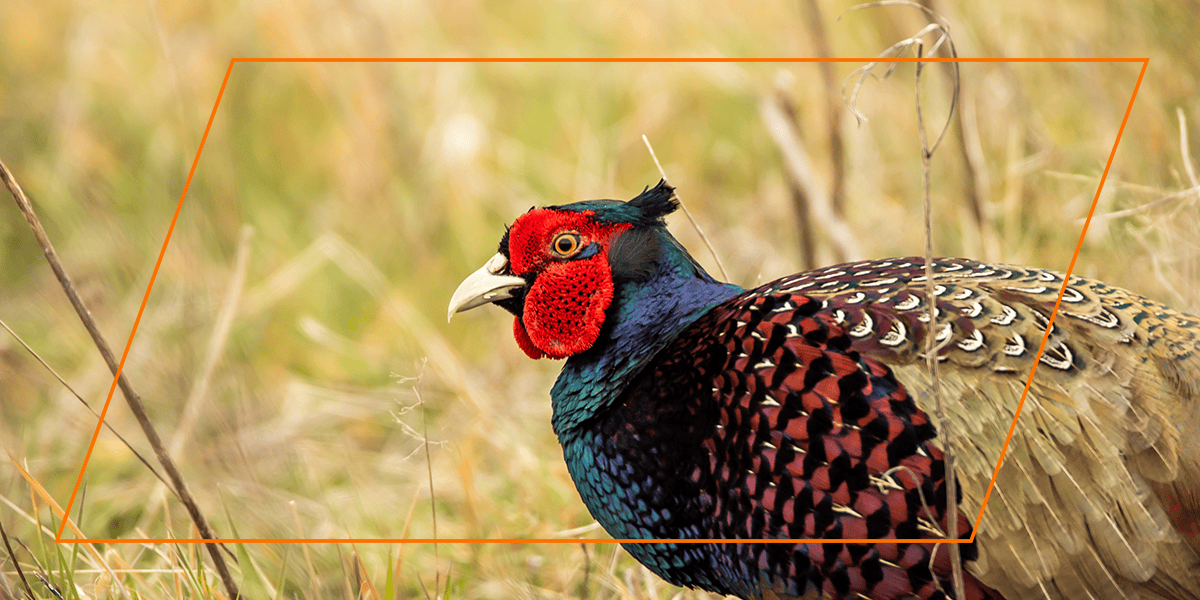
There is a special kind of pride that comes with raising game birds. Whether you are brooding a batch of quail, watching pheasants feather out, or letting guineas patrol the homestead, these birds bring energy, beauty, and a little wildness to the farm that chickens simply cannot match. They are also more demanding to feed. Choosing the right game bird feed is the single biggest factor in whether your birds grow strong and thrive or struggle to reach their potential.
The tricky part is that game birds are not chickens, and feeding them like chickens is one of the most common mistakes new keepers make. At Nature’s Best Organic Feeds, as the first organic poultry and livestock feed company, we have spent decades helping families raise healthier birds the way nature intended. Here is a warm, practical guide to picking the right feed for healthy growth at every stage.
Why Game Bird Feed Is Different
The biggest difference between game birds and backyard chickens comes down to protein. Game bird chicks grow fast and feather quickly, and that rapid early development requires a much richer diet than a standard chicken starter provides.
Game bird chicks typically need somewhere around 28 to 30 percent protein in their first weeks of life, while chicken chicks do fine on 18 to 20 percent. That gap is significant. According to the Alabama Cooperative Extension System, game birds like pheasant and quail are prone to leg problems and poor feathering when key nutrients such as protein, methionine, calcium, and phosphorus fall short. In other words, skimping on protein early does lasting damage that you cannot fix later with treats or supplements.
This is exactly why a purpose-built, high protein game bird feed matters so much. It is designed around how these birds actually grow.
Match the Feed to Your Birds’ Life Stage
Game birds move through distinct nutritional phases, and the right feed changes as they grow. Getting the timing right is the heart of good game bird nutrition.
The starter phase is the most protein-intensive stretch of a bird’s entire life. From hatch through roughly six to eight weeks, chicks need that high-protein crumble to build muscle, bone, and feathers. This is not the moment to cut corners.
As birds move into the grower or developer phase, their protein needs ease somewhat while their energy needs rise. The University of Minnesota Extension notes that a game bird starter of about 28 percent protein is typically followed by a grower diet closer to 22 percent, with lower-protein rations for birds intended for release later on. Matching each phase keeps growth steady without wasting feed.
From there, the path splits based on your goal. Meat birds continue on a finishing ration until market size, while birds kept for eggs eventually transition to a layer feed. Knowing where your birds are headed tells you exactly how to feed them.
Understanding High Protein Game Bird Feed
It is worth pausing on protein, because it is the number that matters most for these species. A high protein game bird feed does more than pack on weight. It fuels the tight, healthy feathering that flight birds and ornamental varieties need, supports strong legs and frames, and gives chicks the amino acids required during their most vulnerable early days.
The key is feeding that high protein at the right time. Starter feeds carry the highest protein levels precisely because the first weeks are when it counts. As birds mature, dialing protein back toward grower and maintenance levels keeps them healthy and prevents waste. Think of protein as a tool you apply heavily up front and taper thoughtfully as your birds grow into themselves.
Game Bird Layer Feed for Egg Producers
If you are raising quail, pheasants, or other game birds for eggs, their needs shift again once they begin to lay. A game bird layer feed is formulated with added calcium, which laying birds draw on constantly to produce strong, well-formed eggshells. Without that extra calcium, hens pull it from their own bones, leading to thin shells and long-term health problems.
Timing matters here too. Birds are usually moved onto a layer ration a few weeks before they are expected to start producing eggs, so their bodies are ready. If your game birds are pulling double duty as both companions and egg layers, choosing a proper layer feed once they mature is one of the kindest things you can do for them.
Can You Use Game Bird Feed for Chickens?
This question comes up all the time, especially in mixed flocks where game birds and chickens share a coop. Using game bird feed for chickens is not automatically a problem, and in some cases it can help. The extra protein can support chickens during a heavy molt, benefit growing meat birds, or simply keep a mixed flock on one convenient feed.
That said, there are a couple of things to keep in mind. Laying hens still need the calcium that comes from a layer feed, so a high-protein game bird crumble alone will not meet an egg producer’s calcium needs. Offering free-choice oyster shell alongside it helps bridge that gap. And because game bird feed runs richer in protein than chickens strictly require, it is best used with intention rather than as a permanent default for a laying flock. When in doubt, feed each type of bird what suits its stage and purpose.
Why Organic Game Bird Feed Is Worth It
What goes into the feed matters just as much as the protein number on the tag. An organic game bird feed is built from clean, wholesome ingredients and skips the additives, medications, and synthetic extras.
For game birds, organic simply means better. Better nutrition, healthier birds, stronger growth, and better production and quality of life across the board. Clean feed supports the vibrant plumage, sound legs, and steady development that make these birds such a joy to raise. When you feed your birds the way nature intended, it shows in every feather.
How to Choose the Right Game Bird Feed
Pulling it all together, a few simple principles will steer you right. Start chicks on a high-protein starter and do not substitute chicken feed. Match the ration to your birds’ life stage as they grow, moving from starter to grower and then to a finisher or layer feed depending on your goal.
Give laying birds the calcium they need. Favor clean, organic feed free of harmful additives. And always provide fresh, clean water, which is just as essential as anything in the trough.
Nature’s Best Organic Feeds for Game Birds
When you are ready to give your birds premium, organic nutrition, we make it simple. Every formula is crafted by Kreamer Feed, a family-owned mill in central Pennsylvania producing trusted feeds since 1947.
- Organic Game Bird Crumbles delivers a robust 30 percent protein and serve as a complete feed for non-laying meat and ornamental game birds from hatch until market or maturity. They are formulated for pheasants, quail, chukars, partridges, ornamental pheasants, peafowl, guinea, grouse, and turkeys, and can even be offered free choice to unconfined doves and pigeons.
- Organic Ancient Scratch Grain with Blue Corn makes a wholesome supplemental treat that can be introduced after three weeks of age, offered at no more than 10 percent of the total diet so it never dilutes your birds’ core nutrition.
- Organic Egg Layer Pellets from our poultry line are a smart choice once your game birds mature into laying, delivering the added calcium egg producers depend on for strong shells.
Every bag is USDA Certified Organic, Non-GMO Project Verified, non-medicated, and made in a Safe Feed/Safe Food certified facility. In other words, exactly what nature intended. Browse the full lineup at organicfeeds.com.
Frequently Asked Questions
Can I feed my game birds regular chicken starter?
It is not recommended, especially early on. Game bird chicks need much higher protein, around 28 to 30 percent, than chicken starter provides. Feeding chicken starter long-term leads to slow growth and weak feathering.
How much protein does game bird feed need?
It depends on the stage. Starter feeds run highest, near 30 percent, then step down to grower and maintenance levels as birds mature. Our Organic Game Bird Crumbles offer 30 percent protein for that critical growth window.
Why choose organic game bird feed?
Organic feed is made from clean, wholesome ingredients and is free of harmful additives. For game birds, that means better nutrition, healthier birds, and better overall production and quality of life.
Final Thoughts
Raising healthy game birds really comes down to feeding them like the unique, fast-growing species they are. Start with a high protein game bird feed, match the ration to each life stage, give your layers the calcium they need, and choose clean, organic nutrition you can feel good about. Do that, and you will watch your birds grow into strong, beautiful, thriving members of your homestead.
At Nature’s Best Organic Feeds, we are honored to be part of that journey with you. Because what you feed your family begins with what you feed your farm, and your birds deserve nothing less than what nature intended. Visit organicfeeds.com to find the right feed for every bird in your flock.