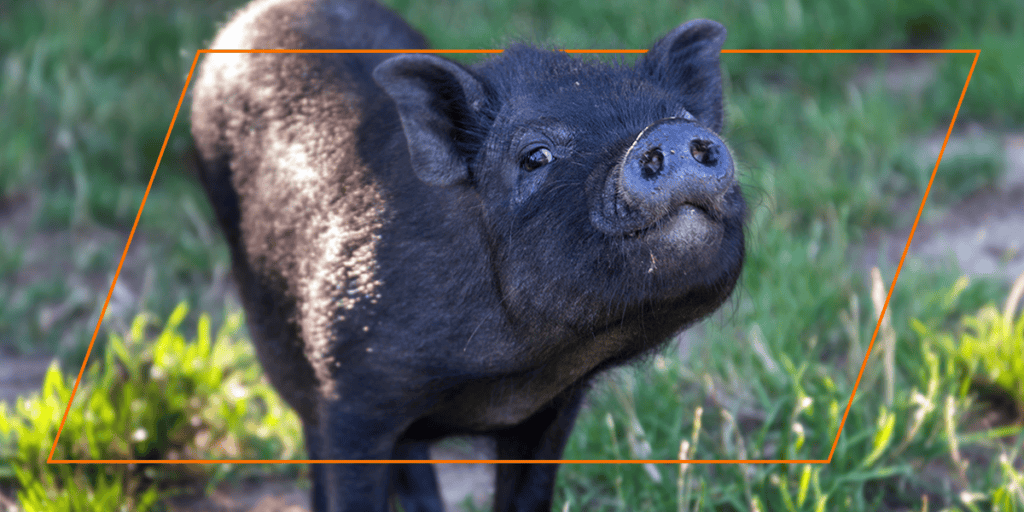
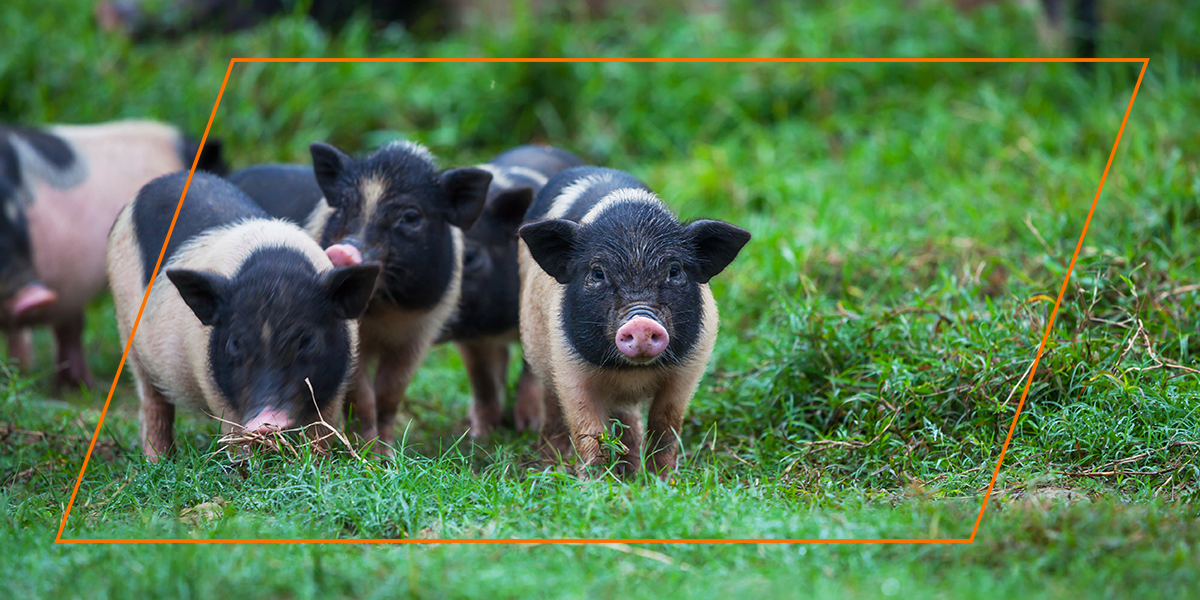
Pigs are some of the smartest, most personable animals on any homestead. They are also some of the hungriest. Whether you are raising a couple of mini pigs as cherished family companions or a small herd headed for the freezer, what goes in the trough shapes everything: their health, their growth, their temperament, and the quality of what they produce. Getting feed for pigs right is one of the most important decisions you will make as a pig keeper.
It is also one of the easiest to get wrong. Pigs are forgiving in some ways and unforgiving in others, and a few common missteps can quietly cost you money, slow growth, and even shorten an animal’s life. At Nature’s Best Organic Feeds, as the first organic poultry and livestock feed company, we have spent decades helping families feed their animals the way nature intended. Here are the mistakes we see most often, and how to avoid them.
Why Getting Pig Feed Right Matters So Much
Pigs grow fast. A piglet can balloon from a few pounds to market weight in a matter of months, and every stage of that journey has different nutritional demands. Feed is not just fuel. It is the raw material your pig uses to build muscle, bone, and a strong immune system.
Good swine nutrition pays you back in healthier animals, steadier growth, better production, and a noticeably better quality of life. Poor feeding choices show up just as clearly, in slow gains, dull coats, digestive trouble, and animals that never quite thrive. The encouraging news is that most feeding mistakes are completely avoidable once you know what to watch for.
Mistake 1: Using One Feed for Every Life Stage
This is the most common error of all. A piglet, a fast-growing market hog, a pregnant sow, and a senior mini pig do not have the same needs, yet many keepers buy a single bag and use it from birth to old age.
Young, growing pigs need more protein to support rapid muscle development. Older pigs are a different story. Once they hit maturity, they need less protein and a different balance of calories, so a feed that was perfect at twelve weeks can work against them at twelve months. Keep an adult mini pig on a rich grower ration and you will likely end up with a pudgy pig and the joint and heart troubles that come with extra weight. Flip it around, put a growing pig on a thin maintenance feed, and it simply will not fill out the way it should.
So meet your pigs where they are. Start your feed for growing pigs at the level their growth phase demands, then ease them onto an adult or maintenance formula once they have stopped packing on size. If you want to dig into the specifics, the University of Minnesota Extension swine nutrition program breaks down how a pig’s nutrient needs shift from piglet to full grown.
Mistake 2: Misunderstanding Protein and Swine Nutrition Basics
It is easy to assume that more protein is always better. It is not. Swine nutrition is about balance, not maximums. Pigs require a specific blend of protein, energy, vitamins, minerals, and amino acids like lysine, and piling on protein without balancing the rest of the ration simply wastes feed and money.
A balanced pig diet delivers the right amount of each nutrient for the animal’s age and purpose. Growing pigs typically thrive on higher protein levels, while adults do best on more moderate, controlled nutrition. Rather than guessing, lean on complete, professionally formulated feeds that have already done the math for you. That is exactly what a complete ration is designed to do.
Mistake 3: Ignoring What Is Actually in the Bag
Many pig keepers never read the ingredient list, and that is a missed opportunity. Pig feed ingredients vary widely between brands, and not all of them belong in a healthy animal’s diet. Some conventional feeds include medications, animal by-products, added hormones, antibiotics, or ingredients grown with synthetic pesticides.
We believe you deserve to know exactly what you are feeding. That is why every Nature’s Best formula is USDA Certified Organic, Non-GMO Project Verified, non-medicated, and free of animal by-products, added hormones, and antibiotics. We also include organic soy intentionally, as a clean, nutrient-dense, plant-based protein source that supports strong growth and muscle development.
If you want to understand what organic certification actually guarantees, the USDA’s National Organic Program standards lay out the rules clearly. Clean pig feed ingredients are the foundation of a healthy animal, and reading the label is the easiest way to protect your herd.
Mistake 4: Overfeeding or Underfeeding
Pigs love to eat, and they are very good at convincing you they are starving. This is especially true of mini pigs, who are prone to obesity when their big personalities talk their keepers into too many extra meals and treats. On the other end, growing pigs that are underfed will not reach their potential.
The goal is to feed for body condition, not for the sound of an empty trough. Follow the feeding guidelines on your chosen product, adjust based on your pig’s weight and condition, and resist the urge to overdo treats. A balanced pig diet, fed in the right amount, keeps your animals in healthy shape and out of the vet’s office.
Mistake 5: Relying on Scraps and Fillers as a Complete Diet
There is a long tradition of feeding pigs kitchen scraps, and pigs certainly enjoy variety. But scraps, garden surplus, and random fillers do not add up to a balanced ration. Pigs fed mostly leftovers often end up deficient in key nutrients, even if their bellies are full.
Treats and forage are wonderful as a supplement to a complete feed, not as a replacement for it. Think of a quality pig feed as the dependable foundation of the diet, with extras layered on top in moderation. Your pigs get the enrichment they crave without missing the nutrition they need.
Mistake 6: Choosing on Price Alone and Forgetting Freshness
Feed is a recurring cost, so it is tempting to grab the cheapest bag on the shelf. But the lowest price often comes with lower-quality ingredients, and a bargain feed that produces slower growth or health problems is no bargain at all. Quality feed is an investment in your animals and your results.
Freshness matters too. Feed loses nutritional value and can spoil if it is old or stored poorly. Check the manufacturing date or lot information, buy what you can use within a reasonable window, and store feed in a cool, dry, well-ventilated place away from moisture and pests. A little attention here protects both the nutrition and your wallet.
How to Choose the Right Feed for Your Pigs
Avoiding these mistakes comes down to a few simple habits. Match the feed to your pig’s life stage and purpose. Choose complete, balanced formulas rather than guessing at ratios. Read the ingredient list and favor clean, organic options free of harmful additives.
Feed the right amount for body condition, keep treats in their lane, and store everything properly. And as always, make sure your pigs have constant access to fresh, clean water, which is the single most important nutrient of all.
Nature’s Best Organic Feeds Products for Pigs
When you are ready to give your pigs clean, wholesome nutrition, we have options for every stage. All are made by Kreamer Feed, a family-owned mill in central Pennsylvania crafting trusted feeds since 1947.
- Organic Mini Pig Young & Active Pellets delivers 19% protein and a tailored vitamin and mineral blend for young and growing mini pigs, supporting strong, healthy development.
- Organic Mini Pig Adult Pellets provides balanced 16% protein maintenance nutrition with controlled calories to help adult mini pigs stay fit and avoid obesity.
- Organic Mini Pig Senior Pellets supports the changing needs of older mini pigs so they can enjoy comfortable, healthy golden years.
Every formula is USDA Certified Organic, Non-GMO Project Verified, non-medicated, and free of animal by-products, bone meal, and ruminant products. In other words, exactly what nature intended. Explore the full lineup at organicfeeds.com.
Frequently Asked Questions
How much should I feed my pig each day?
It depends on the pig’s age, weight, and purpose. Follow the feeding guidelines on your chosen product and adjust based on body condition. Growing pigs need more, while adult mini pigs need controlled portions to avoid weight gain.
Do growing pigs really need different feed than adults?
Yes. Feed for growing pigs is higher in protein to support rapid development, while adult and maintenance formulas are more moderate. Matching feed to life stage is one of the most important things you can do.
Can I feed my pigs kitchen scraps and garden extras?
In moderation, as a supplement. Scraps and forage are great enrichment, but they should sit on top of a complete, balanced ration rather than replace it.
Why choose organic pig feed?
Organic feed is built from clean, wholesome ingredients and is free of harmful additives. For pigs, that supports better nutrition, healthier animals, better production, and a better quality of life.
Are your feeds safe and certified?
Yes. Our pig feeds are USDA Certified Organic and Non-GMO Project Verified, non-medicated, and free of animal by-products, added hormones, and antibiotics, and they are made in a Safe Feed/Safe Food certified facility.
Final Thoughts
Choosing feed for pigs does not have to be complicated. Once you understand the most common mistakes, matching feed to life stage, balancing nutrition rather than chasing protein, reading your ingredient labels, feeding for body condition, and storing feed well, you are most of the way to raising happy, thriving pigs.
At Nature’s Best Organic Feeds, we are proud to help families do exactly that with clean, organic nutrition you can feel good about. Because what you feed your family begins with what you feed your farm, and your pigs deserve nothing less than what nature intended. Visit organicfeeds.com to find the right feed for every pig in your care.