
Choosing between medicated and non-medicated chick starter is one of the first decisions every new chick owner makes, and the advice online often conflicts. Here's what each feed does, how coccidiosis works, and a simple way to decide which starter fits your flock.
What Is Medicated Chick Starter?
Medicated chick starter is a complete chick feed with a small, controlled dose of an anticoccidial drug, usually amprolium. It's designed to help unvaccinated chicks cope with coccidia, the parasites behind coccidiosis, while their immunity develops.
Non-medicated starter has the same job of delivering complete nutrition (protein, vitamins and minerals) but contains no drug. It's the standard choice for vaccinated chicks and the only option for certified organic flocks.
Coccidia vs. Coccidiosis
Coccidia are tiny single-celled parasites (genus Eimeria) that live in a chicken's gut. Coccidiosis is the disease they cause when their numbers get out of hand. Coccidia are found almost everywhere chickens live, and most birds carry a few without getting sick.
The parasites spread through their eggs, called oocysts, which are passed in droppings. A chick swallows oocysts from soil, litter, feed or water. Inside the gut, the parasites multiply in the cells lining the intestine and break them open, then repeat the cycle. The damage cuts into the chick's ability to absorb nutrients. Oocysts can also travel on boots, equipment and feed bags.
Chicks are most at risk at about 3 to 6 weeks old, before their immunity is built. Most birds build immunity quickly after low-level exposure, but immunity to one species doesn't protect against the others.
Signs of Coccidiosis
- Hunched posture with fluffed-up feathers
- Eating and drinking less
- Bloody, watery or mucus-filled droppings
- Pale comb and skin, weight loss or slow growth
- Sudden deaths in a group of chicks
Coccidiosis can kill chicks within days. If you see these signs, call a vet or your extension office right away for diagnosis and treatment.
How Amprolium Works
Amprolium doesn't kill coccidia. It slows them down. Coccidia need vitamin B1 (thiamine) to multiply, and amprolium is shaped so much like thiamine that the parasites take it up instead and can't reproduce normally. That keeps their numbers low enough for the chick to build immunity without getting sick. Drugs that work this way are called coccidiostats (University of Arkansas Extension).
How Long Should Chicks Eat Medicated Starter?
Follow the directions on your feed label. Most medicated starter and starter-grower labels say to feed it as the sole ration until chicks switch to grower or layer feed, which usually means from hatch to about 16 to 18 weeks or point of lay.
Feeding it only for a week or two leaves chicks unprotected during the 3-to-6-week window when coccidiosis hits hardest. It's also why medicated feed should be the only feed: mixing in treats or other feed dilutes the dose.
Is Medicated Chick Feed Organic?
No. USDA organic standards don't allow synthetic drugs like amprolium in organic livestock feed, so a certified organic chick starter is always non-medicated. If you want to raise a certified organic flock or sell organic eggs, your chicks need organic, non-medicated starter from day one. Organic keepers manage coccidiosis risk through vaccination at the hatchery, dry bedding, clean water and gradual exposure to the outdoors.
Can Laying Hens Eat Medicated Chick Starter?
A hen that sneaks a few bites from the chick feeder won't be harmed, but medicated starter shouldn't be her regular feed. It doesn't have the calcium laying hens need for strong shells, and adult hens with established immunity don't need the medication.
If laying hens are eating medicated feed, read the label before eating or selling their eggs. Follow any egg withdrawal instructions it gives, and if the label is unclear, ask your feed supplier or a vet.
Can Ducklings Eat Medicated Chick Starter?
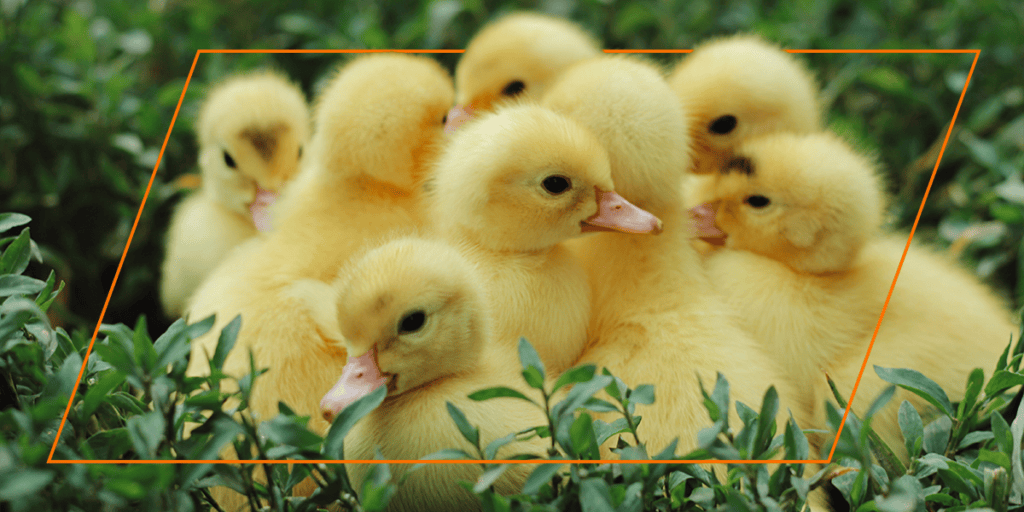
Non-medicated starter is the better choice for ducklings. They rarely get coccidiosis the way chicks do, so the medication does little for them. They also eat much more feed than chicks, which means they take in more of the drug. Ducklings also need extra niacin (vitamin B3) for leg and bone development, so add brewer's yeast or use a waterfowl starter.
If chicks and ducklings share a brooder, feed everyone non-medicated starter and keep bedding dry, since ducklings splash water everywhere and damp litter favors coccidia. For more, see what to feed baby ducks.
Medicated or Non-Medicated: Which Should You Choose?
Medicated starter lowers the risk of coccidiosis in unvaccinated chicks, but it's not a guarantee and it doesn't treat an outbreak once chicks are sick. Either way, chicks still need low-level exposure to coccidia to build lasting immunity, and good brooder hygiene matters more than the feed alone.
|
Your situation |
Recommended starter |
Why |
|---|---|---|
|
Chicks vaccinated for coccidiosis |
Non-medicated |
Amprolium can block the live vaccine strains the chicks need to build immunity |
|
Unvaccinated chicks |
Medicated or non-medicated |
Medicated lowers outbreak risk; non-medicated works with dry bedding, clean water and gradual outdoor exposure |
|
Certified organic flock |
Non-medicated organic |
Organic standards don't allow medicated feed |
|
Ducklings in the brooder |
Non-medicated |
Ducklings rarely need it and eat more of the drug than chicks |
If you go non-medicated, keep bedding dry, clean waterers daily, avoid overcrowding and watch closely for signs of coccidiosis in weeks 3 to 6.
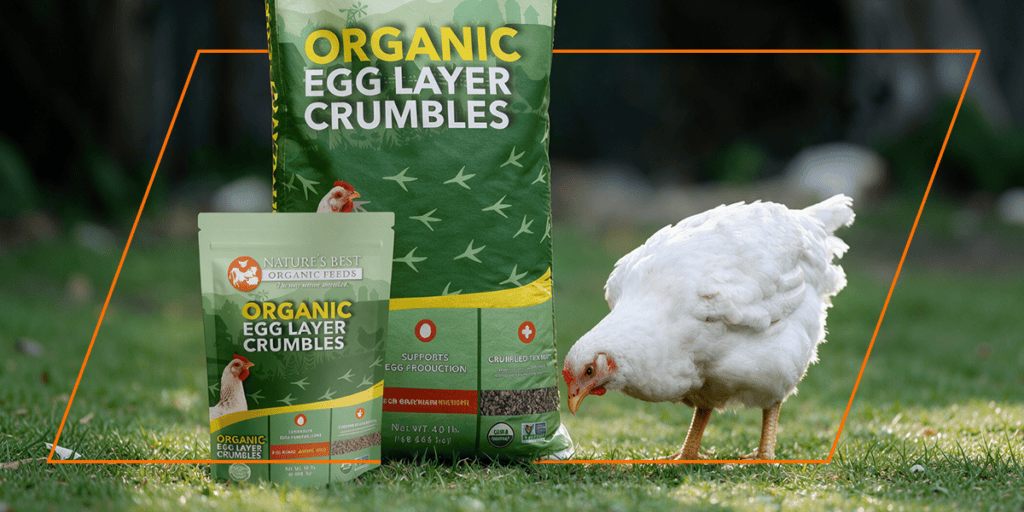
Choose Nature's Best Organic Chick Starter
You know your flock best. If you're raising vaccinated chicks, keeping an organic flock or brooding ducklings alongside chicks, a non-medicated organic starter is the right fit. Nature's Best Organic Feeds comes from a family-owned and operated company in business since 1947, and our Organic Chick Starter-Grower Crumbles give chicks balanced nutrition with no added drugs. Contact us or use our store locator to buy today.