If you have ever stood in the feed aisle holding a bag of chick starter in one hand and a bag of grower feed in the other, wondering which one your birds actually need right now, you are in very good company. Feeding chickens through their different life stages is one of the most common sources of confusion for new flock keepers, and getting it right is one of the most important things you can do for healthy, productive birds.
The good news is that it is not complicated once you understand the why behind each stage. At Nature’s Best Organic Feeds, as the first organic poultry and livestock feed company, we have spent decades helping families raise healthier birds the way nature intended. Here is a warm, practical guide to chicken grower feed and when to make the switch.
The Chicken Feeding Stages at a Glance
Chickens move through three main feeding stages on their way to a productive adult life, and each one is formulated for what a bird’s body is doing at that moment.
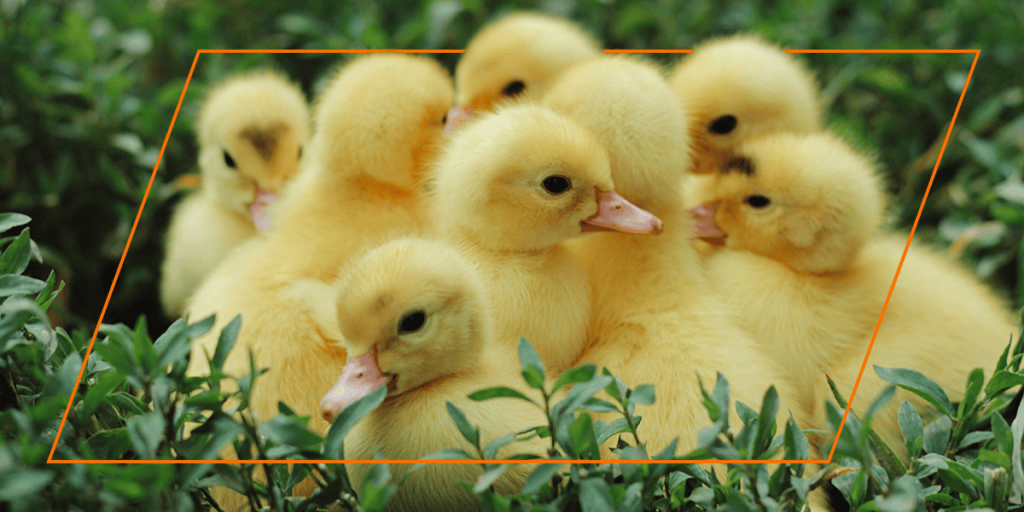
The first is the starter stage, from hatch to roughly six weeks. This is the high-protein foundation phase. Next comes the grower or developer stage, from about six weeks until point of lay, where protein eases back and steady, healthy growth takes over. Finally comes the layer stage, which begins around 18 to 20 weeks or when the first egg arrives, adding the calcium a laying hen needs. Understanding these chicken feeding stages is the key to knowing exactly when to change feeds and why it matters.
Chick Starter vs Grower Feed: What Actually Changes
Starter feed is the richest diet a young bird will eat. Those first weeks are a frenzy of growth, when chicks build muscle, feathers, bone, and the foundation of a healthy immune system. This is the one stage where you should never cut corners on quality.
Grower feed steps the protein down slightly. By this point the most intense early construction is done, and the goal shifts to filling out the frame steadily without rushing your birds toward maturity too quickly. The most important thing about grower feed, though, is what it leaves out. Grower feed keeps calcium low, well below what a layer feed contains, and that is entirely on purpose. In short: starter fuels explosive early growth, and grower supports the long, steady stretch toward adulthood.
When to Switch to Grower Feed
So when do you actually make the change? Most guidance places the switch at around six weeks of age, though some keepers wait until closer to eight. According to Oregon State University Extension, starter feeds are generally fed from hatch to about six weeks, and grower or developer feeds are fed to growing chickens from around seven weeks until just before laying, near 17 weeks.
The right chicken grower feed age is less about a single magic day and more about your birds’ development. A good rule of thumb from experienced keepers is to keep chicks on starter until they are fully feathered and no longer look like awkward teenagers, which usually lands right around that six-week mark. Once they hit that stage, grower feed for chickens takes over as the workhorse ration for the months ahead.
Grower Feed for Pullets and Why Low Calcium Matters
Once your birds move into the grower stage, they are officially pullets, young female chickens who have not yet started laying. Grower feed for pullets is designed to carry them through this adolescent stretch, and the low calcium content is the whole point.
Young, growing pullets do not need the heavy calcium load required for eggshell production, and their kidneys are not yet equipped to handle it. This is why feeding layer feed too early is such a common and costly mistake: introducing all that calcium before a bird begins laying can cause lasting kidney damage.
The Switch That Matters Most: Moving to Layer Feed
Here is something that surprises a lot of new keepers. If you are using a combination starter/grower feed, the switch from starter to grower may already be handled for you, and the truly important transition is the move to layer feed.
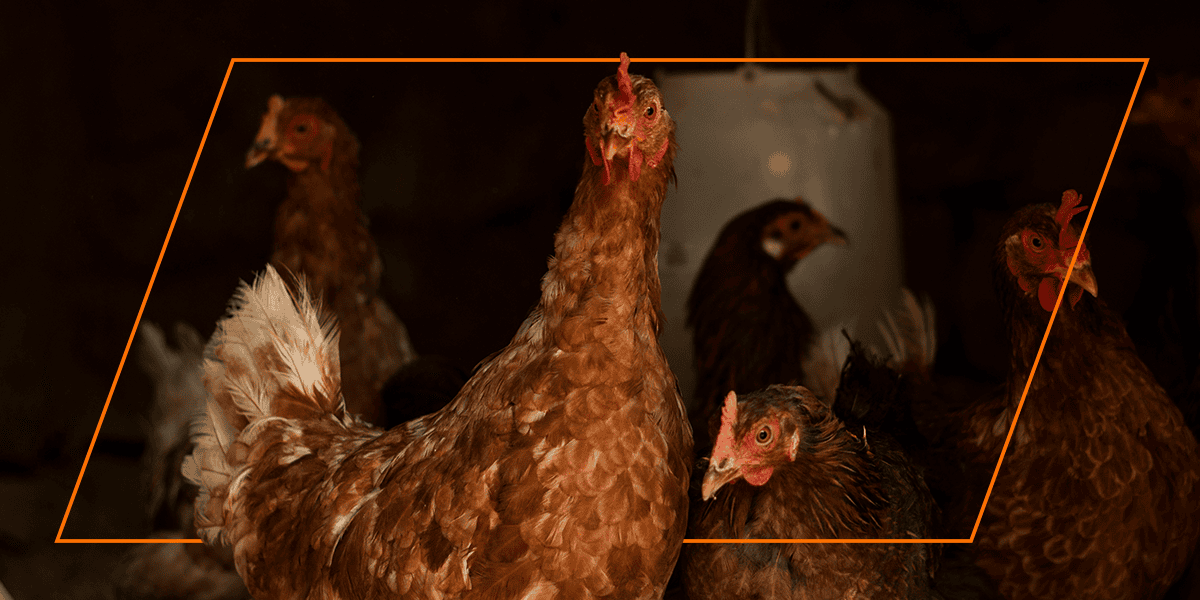
Your birds will typically begin laying somewhere around 18 to 20 weeks, depending on breed. As they approach that first egg, their calcium needs rise sharply to build strong eggshells, and that is precisely when a layer feed belongs in the coop. The timing rule is simple and firm: wait until 18 weeks or the first egg, whichever comes first, and do not switch sooner. Make the change gradually so their digestive systems can adjust.
If you keep chickens purely as pets or in a mixed flock with roosters and non-layers, an all-flock or maintenance ration works well, with a separate dish of oyster shell offered free choice for any hens that are laying.
The Nature’s Best Approach: One Crumble Through the Growing Stage
Here is where we can simplify this whole question for you. Our Organic Chick Starter/Grower Crumbles are formulated at 20 percent protein as a complete feed that carries your birds from hatch all the way to laying stage.
That combination approach is well established and trusted. As University of Georgia Cooperative Extension notes, many feed suppliers carry a combination starter/grower ration that works well for both stages of growth, with birds moving to a layer ration at around 18 weeks.
With our crumble, you feed one clean, organic ration through the entire growing period, so there is no juggling two separate bags and no stressing over the exact day to swap feeds. The starter-to-grower transition is built right in. For most backyard flocks, that makes the plan wonderfully simple: feed the Organic Chick Starter/Grower Crumbles from day one through the growing stage, then transition to a layer feed as your pullets come into lay.
What to Look for in the Best Chicken Grower Feed
When you are choosing a grower ration, a few things separate a good feed from a great one: a moderate protein level appropriate to the growing stage, low calcium, and above all, clean ingredients. The best chicken grower feed is built from wholesome, recognizable components and is free of harmful additives, medications, and synthetic extras.
This is where organic really earns its keep. Organic feed means better nutrition, healthier birds, and better eggs down the road. Feeding your flock the way nature intended during these formative months is an investment in birds that grow up strong and lay beautifully for years to come.
Nature’s Best Organic Feeds for Growing Flocks
When you are ready to raise your birds on clean, organic nutrition at every stage, we make it simple. Every product is crafted by Kreamer Feed, a family-owned mill in central Pennsylvania producing trusted feeds since 1947.
- Organic Chick Starter/Grower Crumbles deliver 20 percent protein as a complete feed from hatch to laying stage, covering both the starter and grower phases in one easy-to-digest crumble. Available in 5 lb and 40 lb bags.
- Organic All Flock Crumbles are a versatile choice for mixed flocks of chickens, ducks, and other poultry, ideal for multi-age, multi-species backyards.
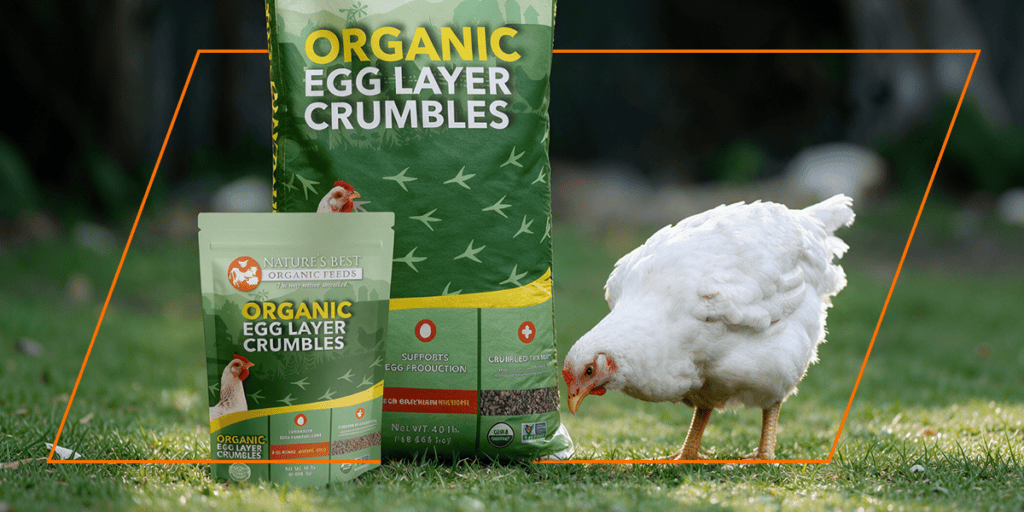
- Organic Egg Layer Pellets and Organic Egg Layer Crumbles provide the added calcium your pullets need once they reach point of lay, supporting strong shells and healthy hens.
Every bag is USDA Certified Organic, Non-GMO Project Verified, non-medicated, and free of animal by-products, added hormones, and antibiotics. In other words, exactly what nature intended. Explore the full lineup at organicfeeds.com.
Frequently Asked Questions
When should I switch my chicks to grower feed?
Most chicks move to grower feed around six weeks of age, once they are fully feathered. If you use a combination starter/grower feed like ours, you can feed one ration continuously through the growing stage without a separate switch.
Can I feed grower feed to laying hens?
Laying hens need the extra calcium found in layer feed for strong eggshells. If a hen begins laying, transition her to a layer ration, or offer free-choice oyster shell alongside her feed.
When do pullets switch to layer feed?
Around 18 to 20 weeks, or when the first egg appears, whichever comes first. Switching earlier can cause kidney damage from too much calcium before a bird is ready to lay.
Why choose organic grower feed?
Organic feed is built from clean, wholesome ingredients and is free of harmful additives. For growing birds, that means better nutrition, healthier development, and better eggs down the road.
Final Thoughts
Knowing when to switch to grower feed really comes down to understanding how your birds grow. Start them strong on a high-protein starter, move into a moderate-protein grower ration around six weeks, and save calcium-rich layer feed for point of lay. And if you would rather keep things simple, a 20 percent combination starter/grower crumble handles those first two stages for you.
At Nature’s Best Organic Feeds, we are honored to help families raise healthy, happy chickens from the very first day. Because what you feed your family begins with what you feed your farm, and your birds deserve nothing less than what nature intended. Visit organicfeeds.com to find the right feed for every stage of your flock’s life.