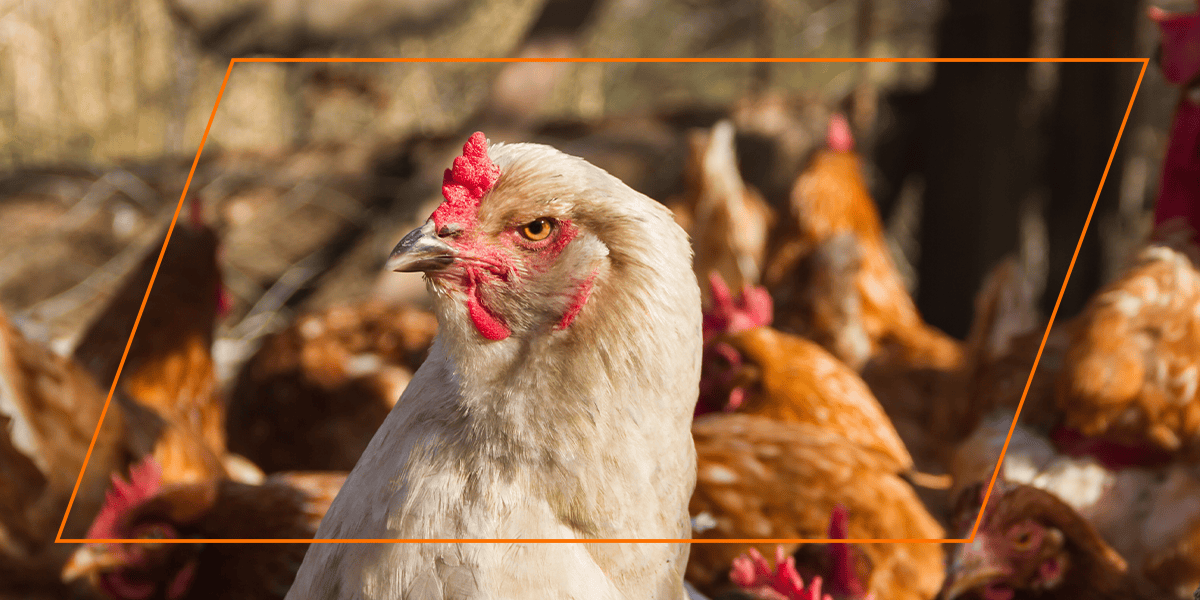
There is no sound quite like a flock coming at a dead run when they hear the treat bag rustle. Chickens are wonderfully food-motivated, and handing out chicken treats is one of the simple joys of keeping a backyard flock. It builds trust, gives your birds something to do, and turns an ordinary afternoon into a small event.
It is also easy to overdo. Treats are fun, but they are not nutrition, and a flock that fills up on snacks will quietly miss out on what it actually needs. The good news is that treating your birds well is not complicated once you understand a few basics.
At Nature’s Best Organic Feeds, as the first organic poultry and livestock feed company, we have spent decades helping families raise healthier birds the way nature intended. Here is our practical guide to what to feed, how much, and how often.
The 90/10 Rule: The Only Number You Really Need
If you remember one thing from this article, make it this. Roughly 90 percent of your flock’s diet should come from a complete feed, and no more than 10 percent should come from treats.
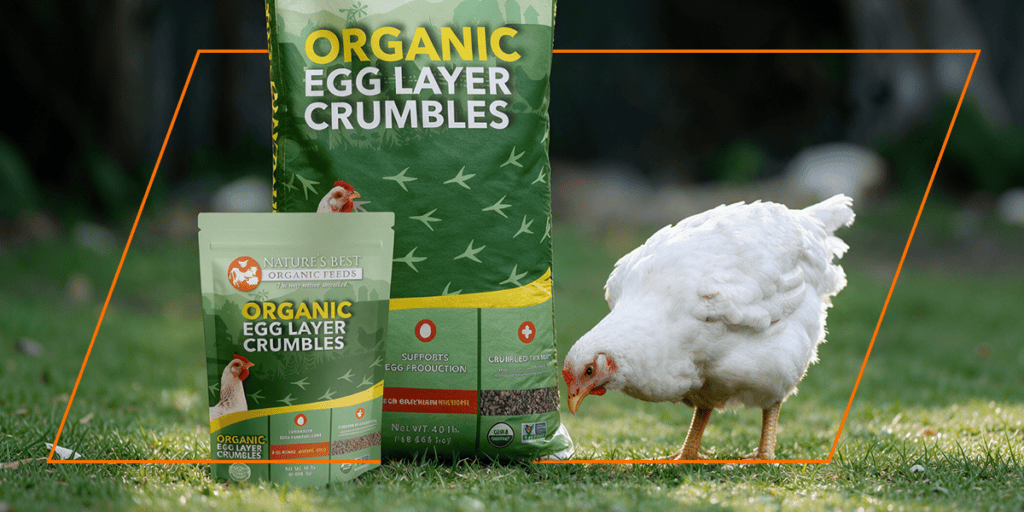
That ratio exists for a reason. Complete feeds are carefully formulated to deliver the protein, calcium, vitamins, minerals, and amino acids your birds require. Treats, by contrast, are almost never fortified. Every handful of scratch or leftover salad greens replaces a portion of the balanced feed your hens would otherwise be eating, which dilutes their nutrition.
The consequences show up in the nest box. As Oregon State University Extension points out, supplemental grains fed alongside a complete diet tend to water down carefully formulated nutrient levels, which is why scratch should be offered sparingly. When hens do not get enough calcium from their layer feed, they start pulling it from their own bones, and you end up with thin, fragile shells.
A practical rule of thumb from the same guidance is to offer only as much as your birds can clean up in about twenty minutes. If there is still food scattered around after that, you gave them too much.
How Much Is 10 Percent, Really?
Percentages are easy to nod at and hard to picture, so here is the math. A laying hen eats roughly half a cup of complete feed per day. Ten percent of that works out to about two tablespoons of treats per bird, per day. That is a modest handful, not a heaping scoop.
It is less than most people expect, and that is exactly the point. Chickens will happily eat far more than is good for them.
How Often Should You Give Treats?
Daily treats are fine as long as you stay within that 10 percent budget. Many keepers prefer to offer treats a few times a week instead, which keeps the ritual special and makes overfeeding less likely.
Timing matters too. Offer treats later in the day, after your birds have already eaten their fill of complete feed, especially if they free range. A hen who starts her morning with a belly full of scratch will eat less of the balanced feed she actually needs. Feed first, treat second, and everyone comes out ahead.
The Best Healthy Chicken Treats
The best chicken feed treats bring something to the table beyond flavor. Look for treats built from wholesome, recognizable ingredients rather than fillers.
Whole grains and scratch blends are the classic choice, and for good reason. Chickens love to scratch and forage, and tossing grains into the run encourages that natural behavior while giving your birds something to do on a long winter afternoon. Grains like blue corn, wheat, oats, and barley offer real nutritional perks, including antioxidants, zinc, B vitamins, and iron.
Fruits and vegetables are another great option. Leafy greens, berries, squash, and melon are flock favorites, and dark leafy greens can deepen your yolk color beautifully. Protein-rich treats have their moment too, especially during molt when birds are rebuilding feathers and their protein demands spike.
There are also foods to steer clear of. Avocado pits and skins, raw or dried beans, rhubarb, anything moldy or rotten, and heavily salted or processed foods can all cause real harm. Strong-flavored foods like onions and garlic are best avoided for laying hens, since they can carry through into the taste of your eggs.
One more thing that is easy to forget: if your birds eat whole grains, greens, or scraps, they need grit to grind it all down. Birds with access to open ground usually find enough on their own, but a free-choice dish of insoluble grit is cheap insurance.
Why Organic Chicken Treats Are Worth It
What is in the treat matters just as much as how much you give. Organic chicken treats are built from clean, wholesome ingredients and skip the harmful additives and processing shortcuts that have no business in a healthy bird’s diet.
For chickens, organic simply means better. Better nutrition, healthier birds, and better eggs. When you are collecting those eggs for your own kitchen table, that connection becomes very real, very fast. What you feed your family begins with what you feed your farm.
When to Feed Chicks Treats
This is one of the most common questions we get, and the answer surprises people: not yet.
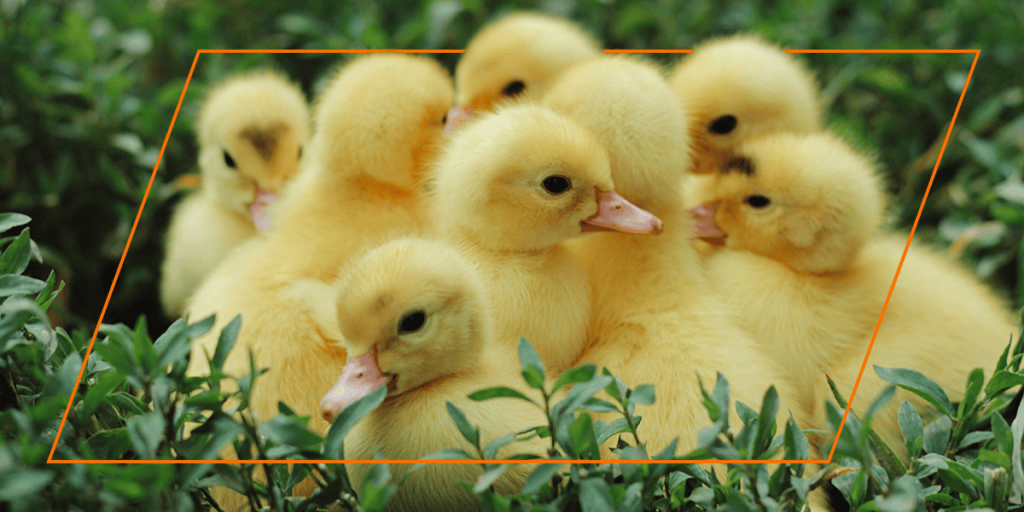
Baby chicks have intense nutritional needs during their first weeks of life, and a complete starter feed is designed to meet every one of them. Introducing treats too early risks throwing off that carefully calibrated balance during the most critical growth window your birds will ever have.
If you do choose to offer occasional treats to baby chicks, keep them tiny, infrequent, and secondary to the starter feed. And always provide chick-sized grit if they are eating anything other than their crumbles, since their little gizzards need help breaking down whole foods. When it comes to treats to feed baby chicks, patience really is the kindest approach. There is plenty of time to spoil them later.
Nature’s Best Organic Feeds Treats for Your Flock
When you are ready to spoil your birds without spoiling their diet, we have you covered. Every product is crafted by Kreamer Feed, a family-owned mill in central Pennsylvania producing trusted feeds since 1947.
- Organic Ancient Scratch Grains & Blue Corn blend blue corn, wheat, oats, and barley into a crunchy, colorful mix chickens go wild for. Blue corn delivers antioxidants that support immunity, while whole ancient grains aid digestion and provide zinc, B vitamins, and iron.
- Organic Chicken Treats with Ancient Grains & Sunflower Seeds pair fiber-rich ancient grains with sunflower seeds, whose natural oils support healthy feathers and vibrant plumage.
- Organic Chicken Treats With Berries & Whole Grains combine whole grains for digestive health with a berry mix including cranberries, a natural source of antioxidants and fiber.
- Organic Chicken Treats with Blueberries, Grains & Oats bring together wild blueberries, raisins, and cranberries in an antioxidant-packed blend that supports overall well-being.
- Organic Chicken Treats with Cinnamon & Raisins are a cozy, aromatic favorite that supports digestion and fiber intake, especially welcome on chilly mornings.
- Organic Chicken Treats with Marigold, Alfalfa & Oregano blend herbs, forage, oregano oil, kelp, and Aztec marigold meal to encourage healthy pecking and natural foraging enrichment.
Every one is USDA Certified Organic, Non-GMO Project Verified, and made in a Safe Feed/Safe Food certified facility. Remember to keep treats to no more than 10 percent of your birds’ total diet, and always serve them alongside a complete feed. Browse the full lineup at organicfeeds.com.
Frequently Asked Questions
How many treats can I give my chickens each day?
Stick to the 90/10 rule. About two tablespoons per bird per day, or however much your flock can finish in roughly twenty minutes.
Can treats affect my eggs?
Yes, in both directions. Overfeeding treats can lead to thin shells and reduced laying because hens miss out on calcium from their complete feed. On the flip side, wholesome treats like leafy greens and marigold can deepen yolk color beautifully.
Do my chickens need grit if they get treats?
If they are eating whole grains, greens, or scraps, yes. Grit helps the gizzard grind food down. Free-ranging birds often find their own, but offering it free choice is a smart safeguard.
What treats should I never feed my chickens?
Avoid avocado pits and skins, raw or dried beans, rhubarb, moldy or spoiled food, and anything heavily salted or processed. Skip onions and garlic for laying hens, since they can flavor the eggs.
Final Thoughts
Treating your flock should be a joy, not a source of stress. Keep the 90/10 rule in your back pocket, offer treats after the complete feed rather than before, hold off until your chicks are grown, and choose clean, organic options made from ingredients you can actually pronounce. Do that, and your birds get all the fun of treat time with none of the nutritional downside.
At Nature’s Best Organic Feeds, we are proud to help families spoil their flocks the right way. Because your birds deserve nothing less than what nature intended. Visit organicfeeds.com to find the perfect treat for your flock.