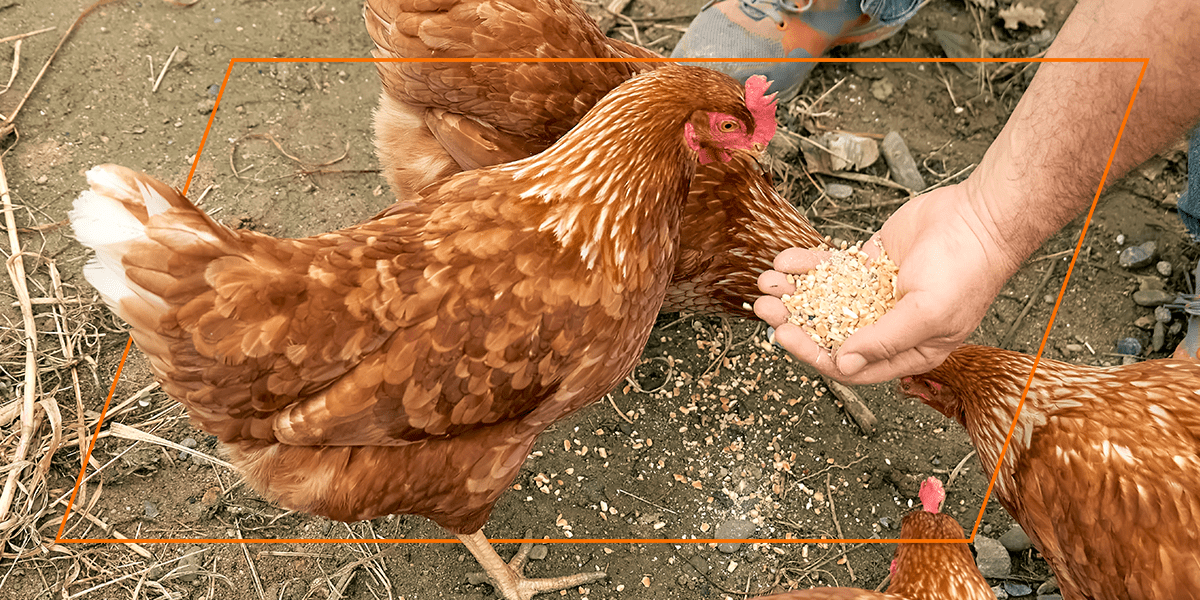
If your chickens seem to be dropping feathers, slowing down on egg production, or looking a little less vibrant than usual, protein is often one of the first things worth looking at.
A lot of backyard flock owners focus heavily on treats, scratch grains, or calcium supplements, but protein is really what drives growth, feather development, muscle condition, and consistent egg production. Chickens use protein constantly, especially laying hens and growing birds. Without enough of it, even healthy-looking flocks can start falling behind.
That’s why choosing the right feeds for chickens matters more than many people realize.
The good news is that supporting healthy growth doesn’t have to be complicated. With a balanced feed, a few protein-rich additions, and attention to your flock’s stage of life, it’s usually pretty straightforward to keep birds in good condition year-round.
Why Protein Matters for Chickens
Protein plays a role in nearly everything happening inside a chicken’s body.
Feathers are mostly protein. Egg production depends heavily on protein. Muscle development, growth, recovery after stress, and even immune function all rely on getting enough quality amino acids through the diet.
Mississippi State University Extension explains that poor feathering is often linked to a deficiency in key protein building blocks, especially methionine, because feathers contain high levels of this amino acid. This is why molting chickens often benefit from steady protein support during feather regrowth.
When birds don’t get enough protein, you may notice:
- Reduced egg production
- Poor feather quality
- Increased feather picking
- Slow growth in young birds
- Weight loss
- Pale combs or low energy
Sometimes the signs show up gradually. A flock may still seem “fine,” but eggs become smaller, molting takes longer, or birds simply don’t look as robust as they once did.
How Much Protein Do Chickens Need?
One of the most common questions flock owners ask is: how much protein do chickens need?
The answer depends on the age and purpose of the bird.
General protein guidelines look something like this:
- Chicks: 18–20% protein
- Growing pullets: 16–18%
- Laying hens: 16–18%
- Meat birds: 20–24%
- Molting chickens: often benefit from temporary protein increases
Laying hens, in particular, have fairly demanding nutritional needs because producing eggs requires a steady supply of amino acids, calcium, vitamins, and energy every single day.
That’s why many flock owners choose a dedicated layer feed for chickens instead of relying heavily on scratch grains or kitchen scraps.
Scratch grains can be useful in moderation, but they’re not complete nutrition on their own. Too many low-protein treats can actually dilute the overall diet and reduce laying performance over time.
What Makes a Good-Quality Chicken Feed?
Not all protein sources are equal.
Some feeds may hit a certain protein percentage on the label but still rely on lower-quality ingredients that don’t offer much real nutritional value. A good-quality chicken feed should do more than just check a number. It should provide balanced nutrition from ingredients chickens can actually digest and benefit from over time.
A good feed typically includes:
- Balanced amino acids
- Whole grains or digestible energy sources
- Vitamins and minerals
- Quality plant or animal protein ingredients
- Consistent formulation
For many homesteaders, ingredient quality matters just as much as protein percentage itself.
That’s part of why organic feeds continue gaining popularity among backyard chicken keepers. Organic feeds avoid many synthetic additives and unnecessary processing methods while focusing on more wholesome ingredient sourcing.
Nature’s Best Organic Feeds has long been a trusted option for families who want cleaner nutrition for their flocks without compromising performance. As the first organic poultry feed brand in the industry, the company built its reputation around balanced nutrition, healthier birds, and ingredients aligned with what nature intended.
Because what you feed your family begins with what you feed your farm.
Best Feeds for Chickens
Complete Layer Feeds
For laying hens, a complete layer ration is usually the best foundation.
A quality chicken feed for laying hens should provide:
- Around 16–18% protein
- Balanced calcium levels
- Consistent energy sources
- Vitamins and trace minerals
Complete feeds are designed so birds receive balanced nutrition in every bite rather than piecing nutrients together from separate supplements and treats.
Many backyard flock owners use organic layer pellets or crumbles as their primary ration because they’re easy to feed consistently and support steady egg production throughout the year.
Chick Starter and Grower Feeds
Young birds require significantly more protein than mature hens.
Chicks grow fast during the first several weeks of life, and protein plays a major role in:
- Muscle growth
- Feather development
- Bone formation
- Immune support
Starter feeds typically contain around 18–20% protein to support that rapid development phase.
Without enough protein early on, chicks may grow unevenly or struggle with feather quality later.
Meat Bird Feeds
Broilers and meat birds have even higher protein demands.
These birds are bred for fast growth and require nutrient-dense diets to support healthy muscle development without excessive stress on the body.
High-quality broiler feeds usually contain:
- Elevated protein levels
- Balanced amino acids
- Adequate energy for growth
- Digestible ingredients
Consistency matters quite a bit here. Fast-growing birds tend to show nutritional deficiencies quickly if diets become unbalanced.
Protein-Rich Foods for Chickens
In addition to complete feed, many flock owners like supplementing with extra protein-rich foods for chickens from time to time.
A few common options include:
Mealworms
Dried or live mealworms are probably one of the most popular protein supplements for backyard chickens.
Birds love them, especially during molt or colder weather.
Mealworms are best used as a supplement rather than a replacement for complete feed.
Black Soldier Fly Larvae
Black soldier fly larvae contain both protein and calcium, making them a favorite among many chicken keepers.
They’re especially useful for laying hens that need additional nutritional support during stressful periods.
Legumes and Peas
Some organic feeds use peas and legumes as plant-based protein sources.
These ingredients can contribute useful amino acids while fitting into more natural feeding programs.
When Chickens Need Extra Protein
There are certain times when higher protein intake becomes especially helpful.
During Molting
Molting is one of the clearest examples.
Since feathers are mostly protein, chickens often need more dietary protein while replacing feathers.
During molt, many flock owners temporarily add:
- Mealworms
- Black soldier fly larvae
- Higher-protein feeds
- Extra nutrient support
Feather regrowth can look rough for a while, but good nutrition usually speeds recovery noticeably.
During Winter
Cold weather can increase nutritional demands too.
Chickens burn more energy trying to stay warm once temperatures drop, especially during long stretches of cold weather. While they usually need a bit more overall energy in winter, a little extra protein can also help birds hold their weight and stay in better condition through the season.
During Stress or Recovery
After illness, predator stress, relocation, or heat stress, birds sometimes benefit from extra nutritional support while recovering.
Penn State Extension notes that heat stress can reduce feed intake and laying performance significantly during hot weather.
When birds eat less overall, nutrient density becomes even more important.
Choosing the Right Feed for Your Flock
Every flock is a little different.
A few hens in a backyard coop have different nutritional needs than fast-growing broilers or a mixed flock of ducks, layers, and young pullets.
When choosing quality feeds for chickens, it helps to think about:
- Age of the birds
- Egg production levels
- Molting status
- Breed type
- Seasonal stress
- Overall flock condition
For many families, organic feeding is about more than protein percentages alone. It’s about ingredient quality, long-term flock health, and producing healthier food at home.
That’s why so many homesteaders continue choosing brands like Nature’s Best Organic Feeds. The focus isn’t simply feeding birds. It’s raising healthier animals, supporting sustainable farming practices, and putting better food on the table for the people who matter most.
Frequently Asked Questions About Chicken Feeds
What is the best-quality chicken feed for laying hens?
Most laying hens thrive on a steady, balanced layer feed that gives them enough protein for consistent egg production, healthy feathers, and good overall condition. A lot of backyard flock owners lean toward organic feeds simply because the ingredient lists tend to feel cleaner and more straightforward, without a bunch of unnecessary extras.
Nature’s Best Organic Egg Layer Pellets and Nature’s Best Organic Egg Layer Crumbles are both popular choices for homesteads looking for consistent nutrition, healthy birds, and strong eggshell quality using USDA Certified Organic ingredients.
Can chickens eat too much protein?
Yes, they can. Chickens need protein for growth, feathering, and egg production, but more is not always better. Feeding overly rich diets for long periods can throw off nutritional balance and put unnecessary strain on the birds. In most cases, a steady, well-balanced feed works better than constantly chasing the highest protein percentage.
What are good natural protein sources for chickens?
A lot of backyard flock owners like adding small protein-rich snacks alongside a complete feed. Dried mealworms, black soldier fly larvae, cooked eggs, peas, and other legumes are all common options. Most people treat these more like supplements or occasional boosts rather than the main part of the diet.
Do chickens need more protein while molting?
Usually, yes. Molting takes a lot out of a chicken because growing new feathers requires quite a bit of protein. During that period, some flock owners switch to a slightly higher-protein feed or offer extra protein treats until the birds finish feathering back out.
Final Thoughts
Healthy chickens usually come from steady, dependable nutrition over time.
Protein affects a lot more than people realize, from feather growth and body condition to egg production and the overall health of the flock. Whether you’re raising chicks, caring for laying hens, or helping birds through molt season, choosing the right feed can make a noticeable difference over time.
The goal isn’t simply feeding more protein. It’s feeding balanced, high-quality nutrition from ingredients you feel good about using around your animals and your family.If you’re looking for quality feeds for chickens made with clean, organic ingredients and thoughtfully balanced nutrition, explore Nature’s Best Organic Feeds’ full line of USDA Certified Organic feeds at organicfeeds.com.