There is a special kind of joy in walking out to the coop and finding a nest full of fresh eggs. For many backyard keepers and small homesteaders, those eggs are the whole point. They are breakfast, they are a small act of self-reliance, and they are proof that the work is paying off. But here is something every flock owner learns sooner or later: your hens can only give you what you give them first. During peak production, when your layers are working their hardest, the food in their feeder matters more than at any other time of year.
If you want strong shells, rich yolks, and a steady supply of eggs, you need the best chicken feed for layers you can find. This guide walks you through what peak production really means, what your hens need on their plates during this demanding stretch, and how to choose a feed that keeps your flock healthy and your egg basket full.
What “Peak Production” Actually Means
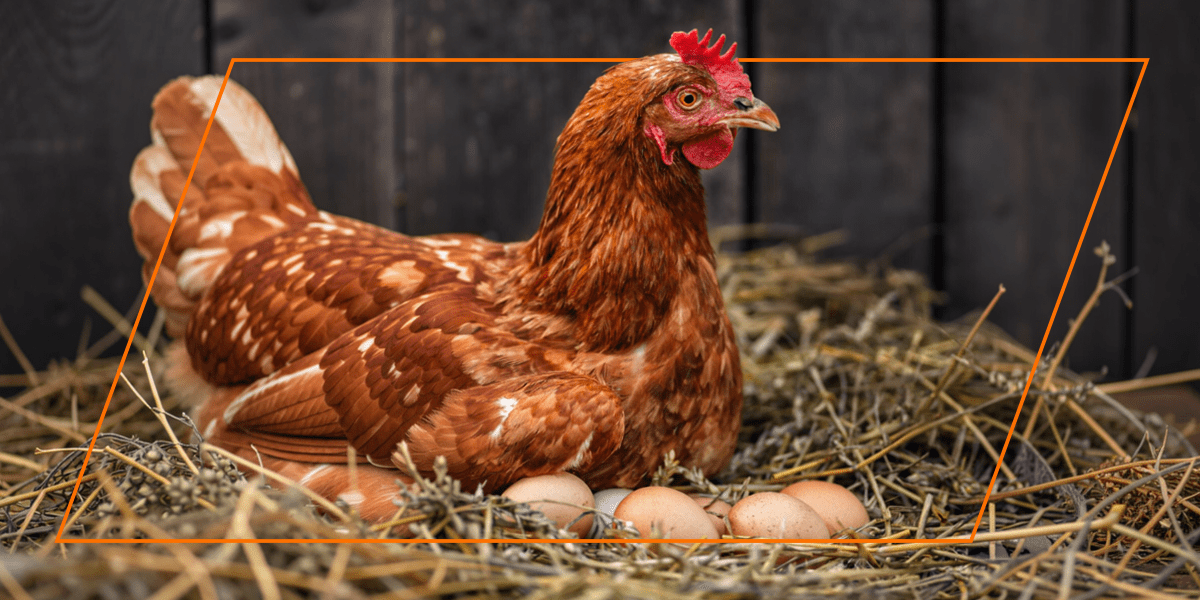
A young hen usually lays her first egg somewhere around 18 to 22 weeks of age. After that first egg, things ramp up quickly. Within a few weeks she reaches what poultry keepers call peak production, the window when she lays the most eggs she ever will, often close to an egg a day. This peak typically happens in the first year of laying and can stretch across the warm, long-daylight months of spring and summer.
During this time, your hen’s body is doing something remarkable. She is pulling protein, calcium, and energy from her feed and turning it into a complete egg, shell and all, roughly every 24 to 26 hours. That is a huge demand on her system. If her diet falls short, her body has to choose between making eggs and keeping itself healthy. Neither outcome is good for you or for her. The right feed for laying hens removes that hard choice by giving her everything she needs and a little extra to spare.
What to Look for in the Best Chicken Feed for Layers
Not all feed is created equal, and during peak production the differences really show. Here is what separates a good layer ration from a great one.
Protein for Energy and Egg Quality
Protein is the building block of both the hen and her eggs. Most quality layer rations land around 16 percent protein, which is the level our own formula uses. Some keepers reach for a high protein chicken feed of 18 percent or so during molting season or times of stress, when birds are rebuilding feathers and need an extra boost.
The point is that protein should be plentiful and easy for your birds to digest. Good plant-based protein sources, like organic soybean meal and roasted soybeans, deliver the amino acids hens need for feather health, strong bodies, and a consistent laying cycle.
Calcium for Strong Shells
Ask any keeper about thin or cracked shells and they will tell you the same thing: it usually comes down to calcium. Eggshells are made almost entirely of calcium carbonate, and a laying hen needs a great deal of it. Layer feeds generally contain between 3 and 4 percent calcium, far more than feed made for chicks or growing birds.
This is exactly why you should never feed a layer ration to young birds. The calcium is so high it can harm their developing bones and kidneys. During peak production, that steady calcium supply is the difference between firm, glossy shells and the frustrating soft ones.
Vitamins, Minerals, and Clean Ingredients
A complete poultry feed for egg production does more than hit protein and calcium targets. It rounds out the diet with vitamins A, D3, and E, plus minerals like phosphorus, manganese, and zinc. These support everything from eggshell strength to vibrant yolk color to a strong immune system. Just as important is what is not in the feed. The best chicken feed for layers leaves out animal by-products, antibiotics, and the harmful additives that have no place near your family’s food.
Layer Feed Pellets or Crumbles? A Quick Comparison
Once you know what should be in the bag, the next question is form. Layer pellets and crumbles deliver the same balanced nutrition, so the choice mostly comes down to your flock’s preference and your feeding setup.
Layer pellets are compact and uniform. Because they hold together well, birds waste less by scratching feed onto the ground, which can save you money over a long season. Many keepers find pellets cleaner and easier to manage in standard feeders.
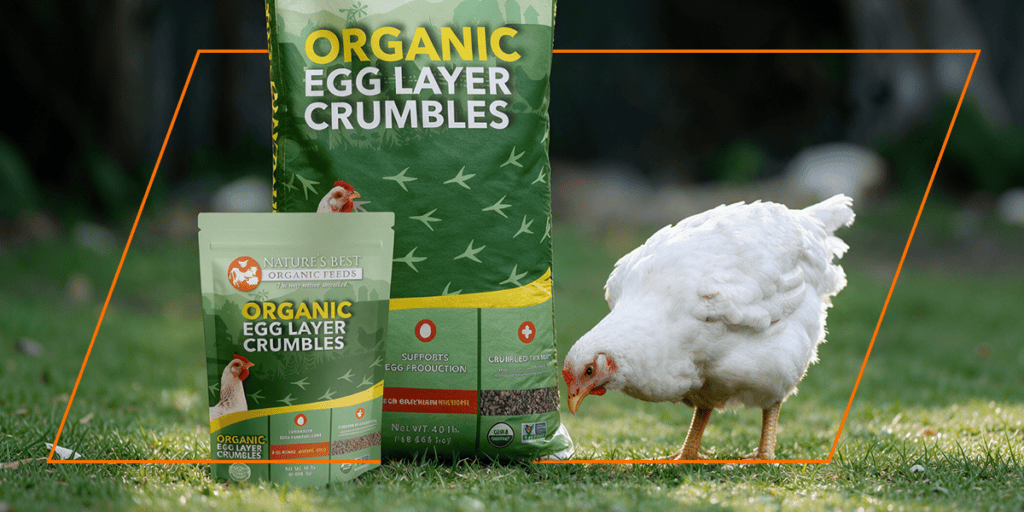
Crumbles, on the other hand, are broken into smaller pieces. Some hens simply prefer the texture, and crumbles can be a gentler option for birds transitioning from the smaller particles of starter and grower feed. If your flock turns up their beaks at one form, the other is worth a try. The nutrition is the same either way.
Why Organic Feed Makes the Difference
Better inputs make better outputs. Organic ingredients are held to stricter approval standards before they ever go into a formula, which means cleaner grains, no genetically modified crops, and none of the chemical shortcuts found in conventional feed.
The result is straightforward: organic feed supports better nutrition, which leads to healthier birds and better eggs on your table. The same logic carries across every animal a homesteader raises. Cleaner feed means healthier animals, stronger production, and a better quality of life for the creatures in your care.
That’s the thinking behind our tagline, “What nature intended.” The goal isn’t to outsmart nature but to give your flock the wholesome diet they were always meant to eat. Raise them on clean, trusted, organic feed, and that quality travels straight from your coop to your kitchen.
Feeding Tips to Support Peak Production
Choosing the right feed is most of the battle, but a few habits help your hens make the most of it.
- Keep feed available at all times. Hens lay best when they can eat freely throughout the day, so keep feeders full and within easy reach.
- Always provide fresh, clean water. A hen’s egg is mostly water, and dehydration stalls production fast.
- Offer free-choice oyster shell. This gives your strongest layers a calcium top-up, especially if you notice shells thinning out.
- Store feed properly. Keep it in a cool, dry, well-ventilated spot away from moisture and pests so it stays fresh and holds its full nutritional value.
- Make feed changes gradually. Transition over a week or two so you do not upset your birds’ digestion during this busy time.
Frequently Asked Questions
How much protein does the best chicken feed for layers need?
A complete layer ration of around 16 percent protein meets the needs of most hens during peak production. Our Organic Egg Layer Pellets are formulated at 16 percent with a balance of amino acids, vitamins, and minerals. If you prefer a smaller bite, our Organic Egg Layer Crumbles offer the same nutrition.
When should I switch my pullets to layer feed?
Wait until your hens lay their first egg, usually around 18 to 20 weeks. Before that, the high calcium in layer feed can harm growing birds, so keep them on a starter or grower ration like our Organic Chick Starter/Grower Crumbles. Oregon State University Extension offers a helpful overview of how to feed laying hens through each stage.
Why are my hens laying eggs with thin shells?
Thin or soft shells almost always point to a calcium shortfall. Make sure your birds are on a true layer ration with 3 to 4.25 percent calcium and offer free-choice oyster shell. Mississippi State University Extension shares more on poultry feeds and nutrition.
Final Thoughts
Peak production is the season your hens have been working toward, and it asks a lot of them. The best chicken feed for layers gives back exactly what they put in, with plenty of protein for energy, generous calcium for sturdy shells, and clean organic ingredients that you can feel good about feeding. When you start with quality, the quality follows your flock all the way to your breakfast table.
At Nature’s Best Organic Feeds, we have spent decades proving that wholesome feed and healthy hens go hand in hand. Give your layers what nature intended, and they will reward you with the strong, beautiful eggs your family deserves. Explore our full range of organic poultry feed for egg production at organicfeeds.com and feed your farm the way you would feed your family.