If you’ve got fertile eggs sitting in an incubator right now, chances are you’re checking them more often than you need to.
That’s part of the fun, honestly. The waiting gets hard somewhere around the second week, especially once you start candling and seeing movement inside the shell. Then the guessing starts. Is that chick going to hatch early? Did I mess up the humidity? Why is one egg wobbling already?
For anyone wondering how long does it take for chicken eggs to hatch, the standard answer is 21 days. That’s the typical incubation period for chicken eggs under stable conditions. But not every hatch follows the exact same schedule.
Some chicks pip on Day 20. Others take until Day 22 before they finally work their way out of the shell. Breed, incubator accuracy, egg handling, and even storage conditions beforehand can all affect timing a little.
The important thing is consistency. Good temperature control, proper humidity, and patience usually matter more than constantly adjusting things.
Before You Start Incubating
A successful hatch usually starts before the eggs ever go into the incubator.
Good fertile eggs should have:
- Strong, intact shells
- No cracks or soft spots
- Minimal dirt or debris
- Proper storage before setting
Most people try to set eggs within about a week of being laid. Hatch rates tend to drop the longer fertile eggs sit around.
The condition of the parent flock matters too. Healthy hens generally produce stronger eggs with better shell quality and better hatch potential overall.
That’s one reason many backyard flock owners pay close attention to feed quality, especially during breeding season. A well-balanced organic feed can support healthier birds, stronger fertility, and more nutrient-dense eggs from the start.
For homesteads focused on long-term flock health, feeds like Nature’s Best Organic Feeds have become a trusted option because they prioritize clean ingredients without unnecessary fillers or harsh processing. Better nutrition really does show up in the birds, the eggs, and eventually the food on your table.
Chicken Egg Hatching Timeline: A Stage-by-Stage Guide
Days 1–3: The Earliest Development
The first few days are quiet on the outside, but there’s a lot happening inside the shell.
Within roughly 48 hours:
- The embryo starts developing
- Blood vessels begin forming
- The heart starts beating
- Basic spinal development begins
At this stage, stable incubator conditions matter quite a bit. Temperature swings can interfere with early development before the embryo becomes more resilient.
A forced-air incubator is usually kept around 99.5°F.
Humidity for hatching chicken eggs during the first stage is typically maintained around 45–55%.
Egg turning is also important from the beginning. Most keepers turn eggs at least a few times daily to prevent the embryo from sticking against the shell membrane.
Days 4–7: Things Start Looking More Like a Chick
By the end of the first week, development becomes easier to spot during candling. The embryo is growing quickly now. Tiny wing buds appear, the eyes become noticeable, and blood vessels spread across much of the egg interior.
This is usually when people candle for the first time. If you’ve never candled eggs before, it’s pretty simple. In a dark room, shine a bright light through the shell. Fertile eggs generally show a spider-like network of veins along with a darker center where the embryo is developing.
Infertile eggs usually stay fairly clear inside. For a detailed visual guide on what to look for at each stage, Illinois Extension’s candling guide is a helpful reference from the University of Illinois.
Some people get nervous if every egg doesn’t look identical. That’s normal. Development can vary slightly from egg to egg.
Days 8–14: Rapid Growth
This stretch is when chicks really begin taking shape.
Over the second week:
- Feathers begin developing
- Bones harden
- Beaks become more defined
- Claws start forming
By around Day 14, the chick is taking up a good portion of the shell space.
This is also where humidity becomes increasingly important. Too much moisture inside the incubator can interfere with normal evaporation from the egg. Too little humidity can dry the membranes excessively.
Most flock owners continue aiming for roughly 45–55% humidity during this stage of the incubation period for chicken eggs.
Good airflow matters too. Developing chicks need oxygen, especially as they grow larger.
Days 15–18: Getting Ready for Hatch
Toward the end of incubation, chicks begin positioning themselves for hatch day.
Usually the head moves beneath the right wing while the chick rotates into place near the air cell. Around this point, the remaining yolk is gradually absorbed into the body to provide nutrients immediately after hatch.
Day 18 is what many chicken keepers call lockdown.
That means:
- Stop turning the eggs
- Increase humidity
- Leave the incubator closed as much as possible
Humidity for hatching chicken eggs during lockdown is often raised closer to 65–70%.
Higher humidity helps prevent the inner membranes from drying out while chicks pip and hatch.
This is usually the point where people get tempted to overmanage things. Try not to. Constantly opening the incubator can cause sudden humidity drops that create problems right when the chicks need stable conditions most.
Days 19–21: Hatch Time
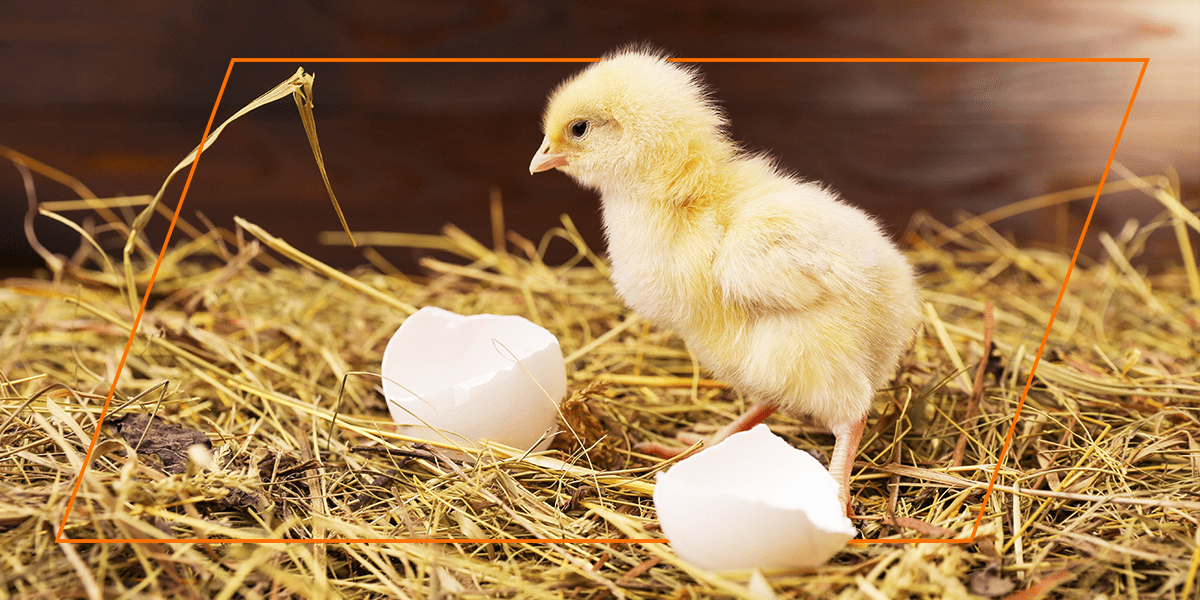
Around Day 19 or 20, chicks begin internal pipping. That means they puncture the membrane leading into the air cell and start breathing air for the first time.
Soon after, you may hear faint chirping from inside the eggs.
Then comes external pipping, the tiny crack visible on the shell surface.
From there, hatching can still take hours.
A lot of first-time hatchers worry because the chick seems inactive after pipping. In reality, resting between efforts is completely normal. Hatching is physically exhausting work.
Eventually the chick begins “zipping,” slowly cracking around the shell until it can push free.
And honestly, it never gets old watching it happen.
Resist the Urge to Help
This is probably one of the hardest parts for beginners.
A chick can sit in the shell for quite a while after pipping, and it’s tempting to intervene. But helping too early often causes more harm than good.
If blood vessels haven’t fully detached from the membrane yet, pulling shell away can lead to serious bleeding.
Most healthy chicks hatch successfully on their own if humidity and temperature stay stable.
Patience is usually the best thing you can offer them.
After the Chicks Hatch
Freshly hatched chicks look wet, tired, and slightly awkward at first. Give them several hours and suddenly they fluff up into energetic little birds running all over the incubator.
Once moved into a brooder, they’ll need:
- Clean water
- Safe heat
- Dry bedding
- Starter feed
- Protection from drafts
Good nutrition early on matters more than many people realize. Healthy starter feeds support feather growth, immune development, and long-term flock health from the beginning.
For many homestead families, that’s part of why organic feeding matters in the first place. Better ingredients, fewer unnecessary additives, and more intentional nutrition often lead to healthier birds overall and ultimately better eggs for the table later on.
Tips for a Successful Hatch
Most successful hatches come down to doing the basics well and staying consistent for all 21 days.
People sometimes assume hatching chicks is complicated, but small habits usually make the biggest difference. A steady incubator, healthy fertile eggs, and a little patience go a long way.
Here are a few things that make the biggest difference during incubation, and experienced chicken keepers usually keep a close eye on them from start to finish:
- Start with good-quality fertile eggs
Strong hatch rates usually begin with healthy parent birds. Eggs with clean, intact shells and good shell quality generally perform better during incubation than older or damaged eggs.
- Keep temperatures steady
Incubators don’t need constant adjusting, but they do need stability. Even small temperature swings over several days can affect development or delay hatch timing.
- Don’t overlook humidity
Humidity is one of the easiest things to underestimate during incubation. If it runs too low, membranes can dry out. Too high, and the eggs may not lose moisture properly during development.
Mississippi State University Extension’s incubation factors guide is a solid resource for understanding how temperature and humidity interact throughout the incubation period.
- Leave the incubator closed during lockdown
This part is hard, especially once the chicks start chirping and pipping. But opening the incubator too often during the final days can cause sudden drops in heat and humidity right when chicks are trying to hatch.
- Pay attention to flock nutrition
Healthy chicks usually come from healthy hens. Nutrition affects fertility, shell strength, embryo development, and overall chick vitality long before incubation even starts.
That’s part of why many homesteaders choose organic feeds for their breeding flocks and young chicks. Better ingredients and balanced nutrition can make a noticeable difference over time, not just in hatch rates, but in the long-term health of the birds themselves. Nature’s Best Organic Feeds has remained a trusted option for families who want clean, organic nutrition without unnecessary fillers or harmful additives.
Frequently Asked Questions About Hatching Chicken Eggs
How many days do chicken eggs take to hatch?
Most chicken eggs hatch right around Day 21, though a few may arrive a little earlier or later depending on the breed and incubation conditions. If you’re following a chicken egg hatching timeline, it’s completely normal to see some chicks pip on Day 20 while others take until Day 22 to fully hatch.
Do you really need to turn eggs during incubation?
Yes, especially during the first couple of weeks. Turning the eggs several times a day helps the developing chick stay positioned correctly and prevents it from sticking to the inside of the shell. Most people stop turning at Day 18 once lockdown begins.
What temperature should an incubator stay at?
For most forced-air incubators, 99.5°F is the sweet spot. Consistency matters more than constantly adjusting settings. Big temperature swings can slow development or affect hatch rates, so it’s worth using a reliable thermometer instead of guessing.
What should chicks eat after they hatch?
Once chicks are dry, active, and moved into the brooder, they’ll need fresh water and a quality starter feed right away. Many backyard flock owners choose Nature’s Best Organic Chick Starter & Grower Crumbles because it’s made with organic ingredients and balanced nutrition to support healthy early growth without unnecessary additives. It’s a solid option for homesteads focused on raising strong, healthy birds from the very beginning.
The Reward of the Hatch
Watching chicks hatch never really gets old. The tiny peep from inside the shell, the first small crack, the sight of a damp little chick finally pushing its way into the world, it’s the kind of experience that reminds you why so many families fall in love with raising chickens in the first place.
Understanding how long does it take for chicken eggs to hatch helps make the entire process feel less overwhelming and far more rewarding. From setting fertile eggs to carefully managing humidity and finally hearing those first chirps around Day 21, every step plays a role in raising healthy, thriving chicks.
And while incubators, thermometers, and hatch-day patience all matter, healthy chicks really begin with healthy parent birds. Strong nutrition supports fertility, shell quality, embryo development, and long-term flock health from the very beginning.If you’re preparing for chicks this season, start with the foundation that matters most: wholesome feed made with clean, organic ingredients and balanced nutrition your flock can truly benefit from. Explore Nature’s Best Organic Feeds’ full line of USDA Certified Organic, non-GMO feeds at organicfeeds.com.