
Chickens are one of the easiest farm animals to keep in a small space, whether you live in the suburbs or the country. With a secure coop, good feed and fresh water, a small flock can thrive in an ordinary backyard. If your area allows chickens, here's what they can do for you, what to weigh before you start, and the basics of getting set up.
Why Raise Backyard Chickens?
Most people start for the eggs and stay for everything else. The six biggest benefits:
- Fresh eggs at home
- Natural pest control
- Less food waste
- Free garden fertilizer
- Entertainment and education
- Some savings on eggs, pest control and fertilizer
1. Fresh Eggs at Home
You'll know exactly how your eggs were produced and how your hens were cared for. Most laying hens produce 4 to 6 eggs a week at their peak, depending on breed. Laying slows in winter, during molt and as hens age. Extra eggs can go to friends, neighbors or, where local rules allow, a farmers market.
2. Natural Pest Control
Chickens are omnivores and constant foragers. As they scratch through the yard, they eat ants, ticks, spiders, grubs, beetles and grasshoppers, many of which damage garden plants.
3. Less Food Waste
Safe kitchen scraps make good treats. Keep them to about 10% of the diet so your hens still get complete nutrition from their feed. See what chickens can and can't eat before you share.
4. Free Garden Fertilizer
Chicken manure is rich in nitrogen, which makes it valuable for gardens but too strong to use fresh. Compost it or mix it with leaves and other carbon-rich material first. Once broken down, it feeds flowers and vegetables. Wash your hands after handling manure.
5. Entertainment and Education
A flock has its own personalities and social order, and watching it can fill a lot of afternoons. For kids, chickens are a hands-on lesson in animal care, responsibility and where food comes from.
6. Some Savings
Backyard eggs won't always beat store prices, but a flock can offset part of its cost through eggs, less need for pest control and free compost. See the cost breakdown in the FAQ below for an honest picture.
Is Raising Chickens Worth It? Pros and Cons
For most people who enjoy animals and gardening, yes. But chickens are a daily commitment, so weigh both sides before you start.
|
Pros |
Cons |
|---|---|
|
Fresh eggs from hens you know are well cared for |
Daily chores: feed, water and egg collection every day, including holidays and bad weather |
|
Natural pest control in the yard and garden |
Predators: raccoons, hawks, foxes and dogs make a secure coop and run essential |
|
Less food waste from safe kitchen scraps |
Noise: hens are chatty and roosters crow; many towns ban roosters |
|
Free compost-ready fertilizer |
Zoning and HOA rules may limit flock size or ban chickens entirely |
|
Entertainment and hands-on learning for kids |
Ongoing costs for feed, bedding and occasional vet care |
|
Some savings on eggs, pest control and fertilizer |
Laying drops in winter and with age, while hens live 6 to 8 years or more |
|
Smell, flies and rodents if the coop isn't kept clean |
|
|
Salmonella risk; wash hands after handling birds or eggs |
Setting Up Your Coop and Run
Once you've confirmed local rules allow chickens, your flock needs a secure coop for sleeping and laying, plus a fenced run where they can scratch and forage safely.
|
Space |
Per hen |
For 6 hens |
|---|---|---|
|
Coop floor |
3–4 sq ft (4 for large breeds) |
18–24 sq ft |
|
Outdoor run |
8–10 sq ft |
48–60 sq ft |
|
Nest boxes |
1 per 3–4 hens |
2 boxes |
|
Roost bar |
8–10 inches |
About 5 ft |
Space guidance from Oregon State University Extension. Chickens are social, so a starter flock of 3 to 6 hens works well. Give more run space if your hens can't free-range. You can build your own coop and run or buy a ready-made kit. Make sure both are predator-proof, with hardware cloth instead of chicken wire.
Daily Care
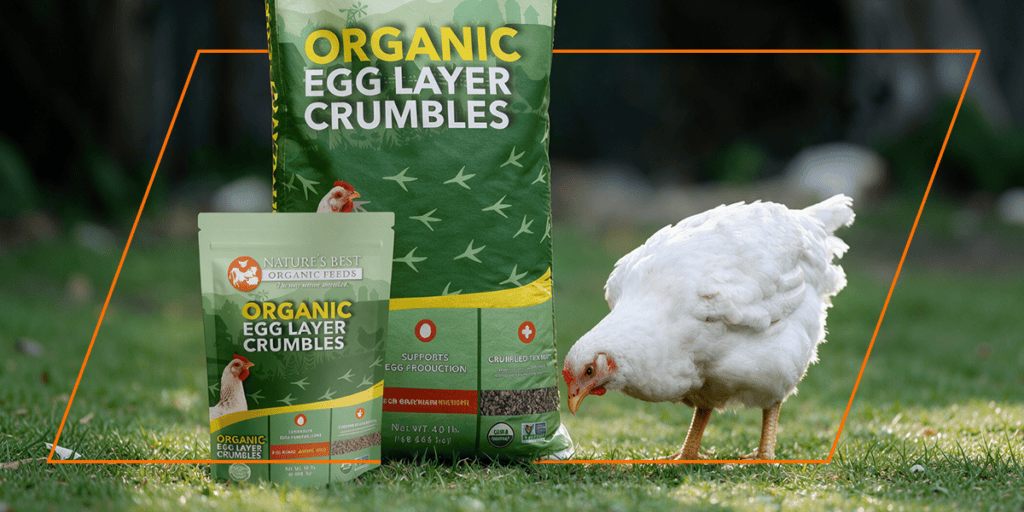
- Feed: An adult hen eats about 1/4 pound of complete layer feed a day, roughly 1/2 cup. Our 16% Egg Layer Crumbles and Pellets give laying hens complete nutrition. Scratch grains are a treat, not a replacement for feed.
- Water: Fresh, clean water at all times. Hens drink more in hot weather and while laying.
- Eggs: Collect daily to keep eggs clean and discourage broodiness and egg eating.
- Cleaning: Spot-clean droppings often and fully replace bedding every week or two, depending on flock size and coop setup.
- Weather: Chickens handle heat and cold well with good shelter, shade and ventilation. Laying slows as days shorten in fall and winter.
Backyard Chickens FAQ
1. How much do backyard chickens cost?
The first year costs the most, because it includes the coop and setup. After that, feed is the main ongoing expense.
|
Item |
Estimated cost (6 hens) |
|---|---|
|
Coop and run (DIY or kit) |
1,500, one time |
|
Chicks |
40 for 6 day-old chicks; started pullets cost more |
|
Brooder setup (heat source, feeder, waterer) |
150, one time |
|
Feed |
About 45 a month (one 40–50 lb bag of organic layer feed) |
|
Bedding |
About 20 a month |
|
Grit, oyster shell and supplies |
About 60 a year |
|
Vet care and health supplies |
200 a year, varies widely |
|
First-year total |
About 2,800 |
Estimates only; prices vary by region and brand.
The honest break-even: Six hens can lay roughly 80 to 100 dozen eggs in their first year, since they start laying around 5 months old. At $5 to $7 a dozen for organic store eggs, that's about $400 to $700 worth of eggs. That covers most or all of the yearly feed and bedding, but the coop takes several years to pay for itself. Most people keep chickens for fresher eggs and the experience, with savings as a bonus.
2. What do chickens eat?
A complete layer feed should make up about 90% of an adult hen's diet. The other 10% can be safe kitchen scraps, greens and treats like mealworms. Chickens are omnivores and will eat almost anything, so check our list of what chickens can and can't eat.
3. What's the best-value organic feed for backyard chickens?
Look for a complete feed matched to your flock's life stage that's certified organic, Non-GMO Project Verified and non-medicated. Compare by ingredients and nutrition, not just price per bag. A cheaper feed that's mostly filler can cost more in the long run through fewer eggs and weaker birds. Nature's Best Organic Feeds options include 18% Chick Starter-Grower Crumbles, 16% Egg Layer Crumbles and Pellets, and Poultry Scratch Grains as a treat.
4. What nutrients do backyard chickens need?
- Protein for muscle, feathers and egg production
- Carbohydrates for energy
- Fats, including essential fatty acids, for energy and to absorb fat-soluble vitamins
- Calcium for strong eggshells in laying hens
- Vitamins and minerals for overall health and immunity
- Fresh water at all times
5. Which type of feed is best?
It depends on your flock's age:
|
Age |
Feed |
Protein |
|---|---|---|
|
0–8 weeks |
Chick starter |
18–20% |
|
8 weeks to point of lay |
Grower (or starter-grower) |
15–18% |
|
About 18–20 weeks and laying |
Layer |
About 16%, plus 3–4% calcium |
Switch to layer feed at the first egg or about 18 weeks, whichever comes first.
6. How do you get started?
Check local zoning, HOA rules and permit requirements before you buy anything. Many towns limit flock size, and many ban roosters because of noise. Then plan your coop and run, choose your breeds, and set up a brooder before your chicks arrive.

Raise a Healthy Backyard Flock With Nature's Best Organic Feeds
Nature's Best Organic Feeds comes from a family-owned and operated company in business since 1947. Our certified organic, Non-GMO Project Verified, non-medicated feeds are formulated by nutrition experts and regularly tested for quality, in bagged and bulk sizes. Buy online or use our store locator to find our feed near you.